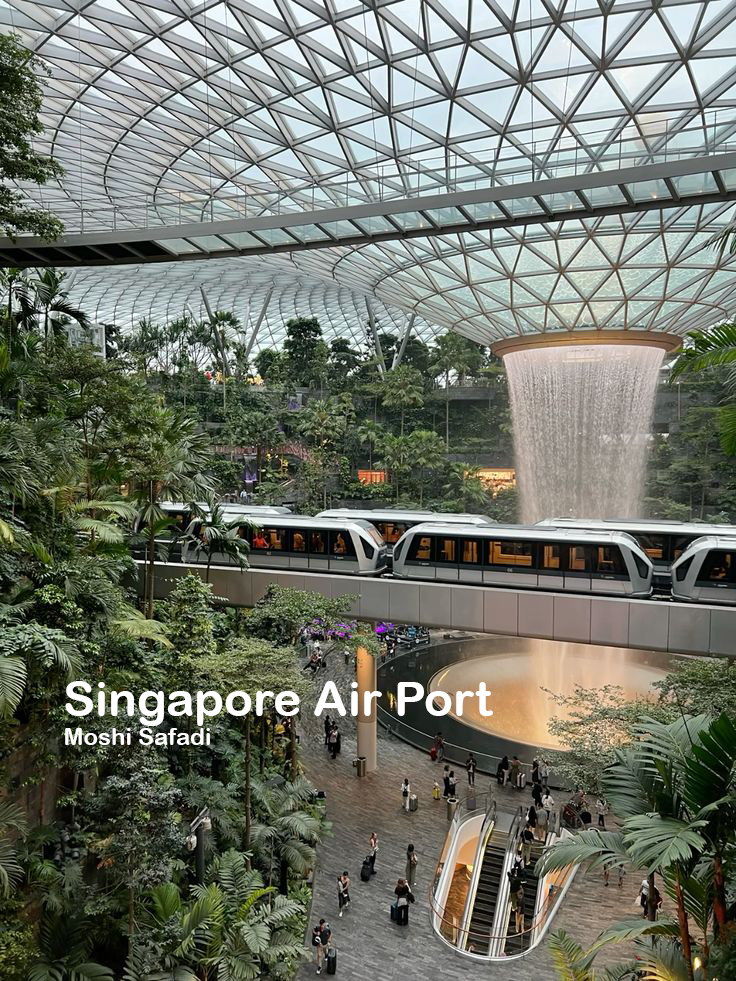
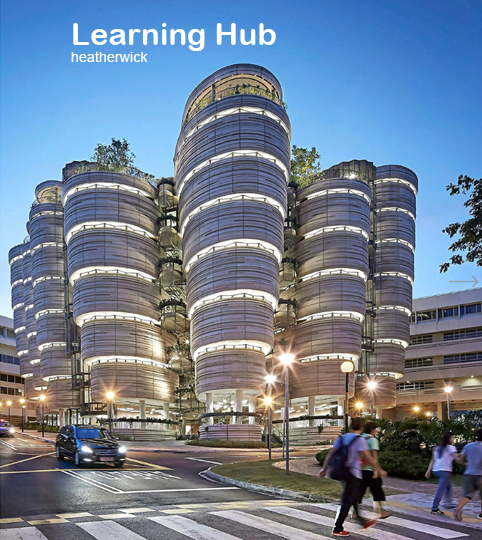
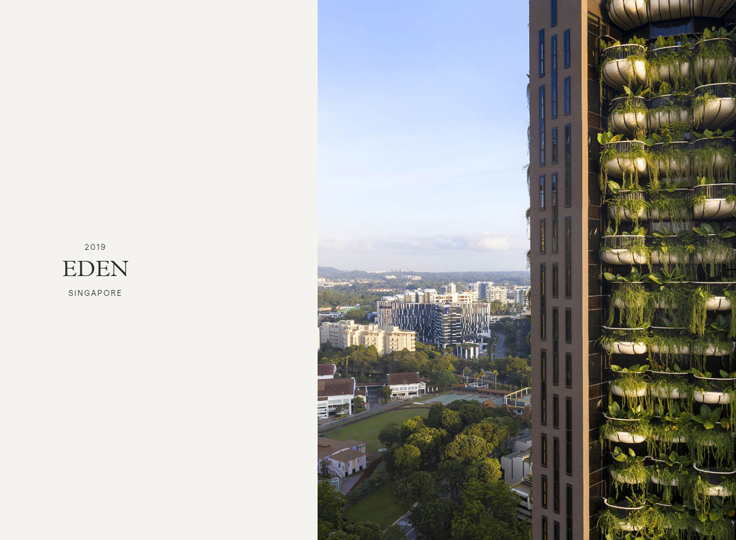
International projects that apply the Biophilic Concept

Architect Dr. Mohamed Hendawi's main design concept is to HUMANIZE our Built Environments by applying the existing proven sciences.
Dr. M. Hendawi, Ph.D., in Architecture design and scientific research, focused on merging the existing proven sciences to develop design principles that could enhance Humans' health and Well-being inside Built environments (Man-made).
He designed various architecture, interior architecture, and Urban Landscape projects in different countries to humanize these built environments. He uses the following equation in his design process.
“Huamn + Nature + Culture + Science + Art”
Dr. Mohamed Hendawi
MH Architects apply the following proven sciences in their designs to Humanize them
- Biophilic Design Concept
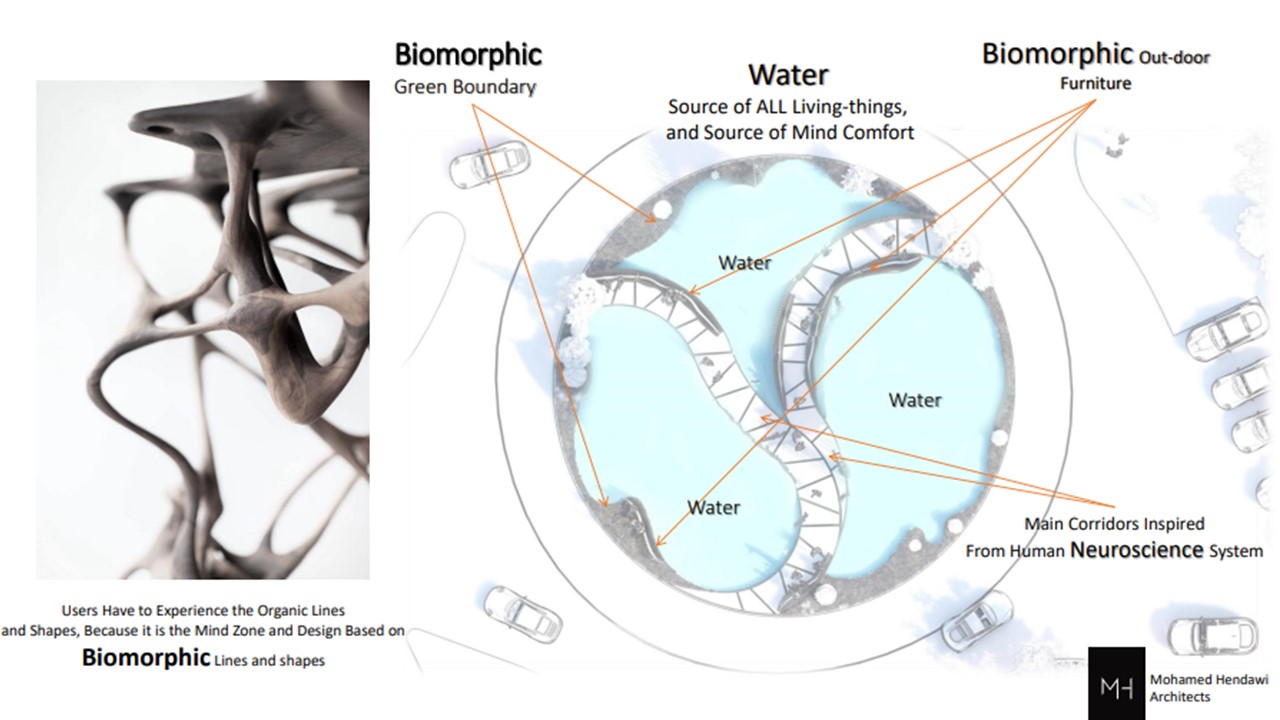
- Neuro-architecture
- Well Building
- ART
- SRT
Biophilic Design Concept
“Re-establish the Connection Between Man and Nature”
Edward O.Wilson 1980s- 1990s
Biophilic design recognizes that humans are an integral part of the natural world. Here are some key points emphasizing this connection:
- Innate Connection: Humans have an inherent affinity for nature, often referred to as biophilia. This concept suggests that our physical and emotional well-being is deeply intertwined with the natural environment.
- Nature as a Healer: Studies have shown that exposure to nature can reduce stress, lower blood pressure, and improve mood. Biophilic design leverages this by incorporating natural elements like plants, water features, and natural materials into our built environments.
- Visual and Physical Access to Nature: By integrating outdoor views, natural lighting, and green spaces within urban settings, biophilic design encourages a visual and physical connection to the natural world, helping individuals feel more grounded and less isolated.
- Cognitive and Emotional Benefits: Experiences in natural environments can enhance cognitive function, boost creativity, and foster emotional resilience. Biophilic design aims to replicate these benefits indoors.
- Sustainability and Stewardship: Emphasizing the interconnectedness of all life, biophilic design promotes sustainable practices. It encourages a sense of responsibility toward nature, fostering stewardship and care for the environment.
- Holistic Well-Being: By bridging the gap between indoor and outdoor environments, biophilic design contributes to a holistic sense of well-being, making spaces not just functional but nurturing.
This approach ultimately seeks a deeper connection with nature, recognizing that our health and happiness are closely linked to the ecosystems we inhabit. Would you like to discuss specific design elements or successful biophilic projects?
The main aim of biophilic design is to create environments that enhance people's connection to nature. This approach is based on the idea that incorporating natural elements into built spaces can benefit mental health, well-being, and overall quality of life. Key goals include:
- Improving Well-Being: By integrating natural light, plants, and views of nature, biophilic design helps reduce stress and boost mood.
- Enhancing Productivity: Spaces designed with biophilic elements can increase focus and creativity, making them ideal for work environments.
- Promoting Sustainability: Biophilic design often incorporates sustainable practices, fostering a harmonious relationship between people and the environment.
- Encouraging Healthy Lifestyles: These designs can support healthier choices by making outdoor activities more accessible and appealing.
- Creating Aesthetic Appeal: Biophilic design often results in visually pleasing spaces, enhancing user experience and satisfaction.
A method to apply the Biophilic Design Concept in our Built Environments or in another word Man-made physical surroundings
The 14 Patterns of Biophilic Design provide a framework to help integrate nature and natural elements into the built environment. Here’s a summary of each pattern:
- Visual Connection with Nature: Incorporating views of nature through windows or artwork.
- Non-Visual Connection with Nature: Engaging the senses through sounds (like water), scents (like plants), or tactile materials.
- Nature of the Space: Designing spaces that utilize natural shapes, forms, and structures.
- Natural Materials: Using materials such as wood, stone, and other natural substances in design.
- Light: Maximizing natural light and mimicking natural lighting patterns indoors.
- Air and Water Flow: Ensuring good ventilation and introducing water features that enhance air quality and create a sense of tranquility.
- Thermal and Air Variation: Allowing for variations in temperature and airflow to mimic natural environments.
- Presence of Life: Incorporating living elements such as plants, gardens, or even animals.
- Natural Patterns and Processes: Integrating patterns found in nature, such as fractals, which can be calming and appealing.
- Place-Based Relationships: Designing spaces that reflect the local geography, culture, and ecosystem.
- Ecosystem Dynamics: Creating designs that promote biodiversity and ecological balance.
- Refuges: Providing quiet, comfortable spaces that offer a sense of safety and retreat.
- Prospect and Refuge: Designing areas that allow visibility while providing shelter, enhancing comfort and security.
- Cultural and Ecological Legibility: Ensuring that the design reflects and is understandable within its cultural and ecological context.
- These patterns work collectively to foster a stronger connection to nature, promote well-being, and enhance the overall experience of built environments.
Biophilic design not only enhances the quality of life but also significantly impacts the performance and financial outcomes of built environments. Here’s how:
Positive Impacts on Built Environment Performance
- Improved Health and Well-Being:
- Exposure to natural elements reduces stress, anxiety, and depression, leading to healthier occupants.
- Healthier individuals tend to have lower absenteeism and higher productivity.
- Increased Productivity:
- Natural light and views of nature can enhance cognitive functions, creativity, and task performance, benefiting workplaces and educational institutions.
- Enhanced Aesthetic Appeal:
- Biophilic elements create visually pleasing spaces, which can attract more residents, tenants, or customers.
- Better Indoor Air Quality:
- Incorporating plants and natural ventilation improves air quality, leading to healthier indoor environments.
- Sustainability and Resilience:
- Biophilic design often promotes energy-efficient practices, reducing resource consumption and environmental impact.
Moreover, Biophilic has a Positive Financial Conditions
- Increased Property Value:
- Properties integrating biophilic elements often see a rise in market value due to their attractiveness and higher demand.
- Higher Tenant Satisfaction and Retention:
- Spaces designed with biophilic elements can lead to happier tenants, resulting in longer lease terms and lower turnover rates.
- Reduced Operating Costs:
- Improved energy efficiency and lower maintenance needs can lead to decreased operating costs over time.
- Attracting Customers:
- Retail spaces and restaurants that incorporate natural elements often see increased foot traffic and customer loyalty, positively affecting sales.
- Potential for Premium Pricing:
- Properties designed with biophilic principles can command higher rental or purchase prices due to enhanced desirability.
Conclusion
Overall, biophilic design creates a win-win scenario—enhancing the performance of built environments while also yielding significant financial benefits. By investing in spaces that connect people with nature, we not only improve quality of life but also create sustainable and economically viable places.
Neuro-architecture
Neuro-architecture is an emerging field that combines principles of neuroscience with architectural design to create spaces that positively affect mental health, cognitive function, and overall well-being. Here are some key concepts and design principles associated with neuro-architecture:
Key Concepts
- Brain-Centric Design: Understanding how different environments impact the brain’s functionality, emotions, and behaviors.
- Human Experience: Prioritizing user experience by focusing on how physical spaces influence psychological and emotional responses.
Design Principles and Considerations
- Natural Light:
- Maximize access to natural light to improve mood and circadian rhythms.
- Utilize window placements and skylights strategically.
- Biophilic Elements:
- Incorporate nature through plants, natural materials, and views of the outdoors to reduce stress and enhance well-being.
- Spatial Layout:
- Design open and fluid spaces with clear sightlines to reduce anxiety and enhance navigability.
- Consider transitional spaces and varying scales to create a sense of comfort.
- Acoustic Control:
- Address sound with acoustic panels and strategic layouts to minimize distractions and promote concentration.
Design Principles and Considerations
- Color Psychology:
- Utilize colors that evoke specific emotions and responses, such as calming blues or energizing yellows, to enhance mood and productivity.
- Flexible and Adaptive Spaces:
- Design spaces that can adapt to various activities and needs, promoting a sense of agency and control for occupants.
- Personalization:
- Allow occupants to personalize their environments, fostering a sense of ownership and attachment.
- Movement and Flow:
- Incorporate pathways and layouts that encourage movement, which can boost creativity and reduce feelings of stagnation.
- Safety and Comfort:
- Design spaces that feel secure and comfortable, using materials and layouts that create a sense of refuge.
- Community and Social Interaction:
- Include communal areas that promote social engagement and collaboration, enhancing a sense of belonging and community.
Conclusion
By applying these principles, neuro-architecture seeks to create environments that not only meet functional needs but also promote mental health and cognitive well-being, ultimately enhancing the quality of life for occupants.
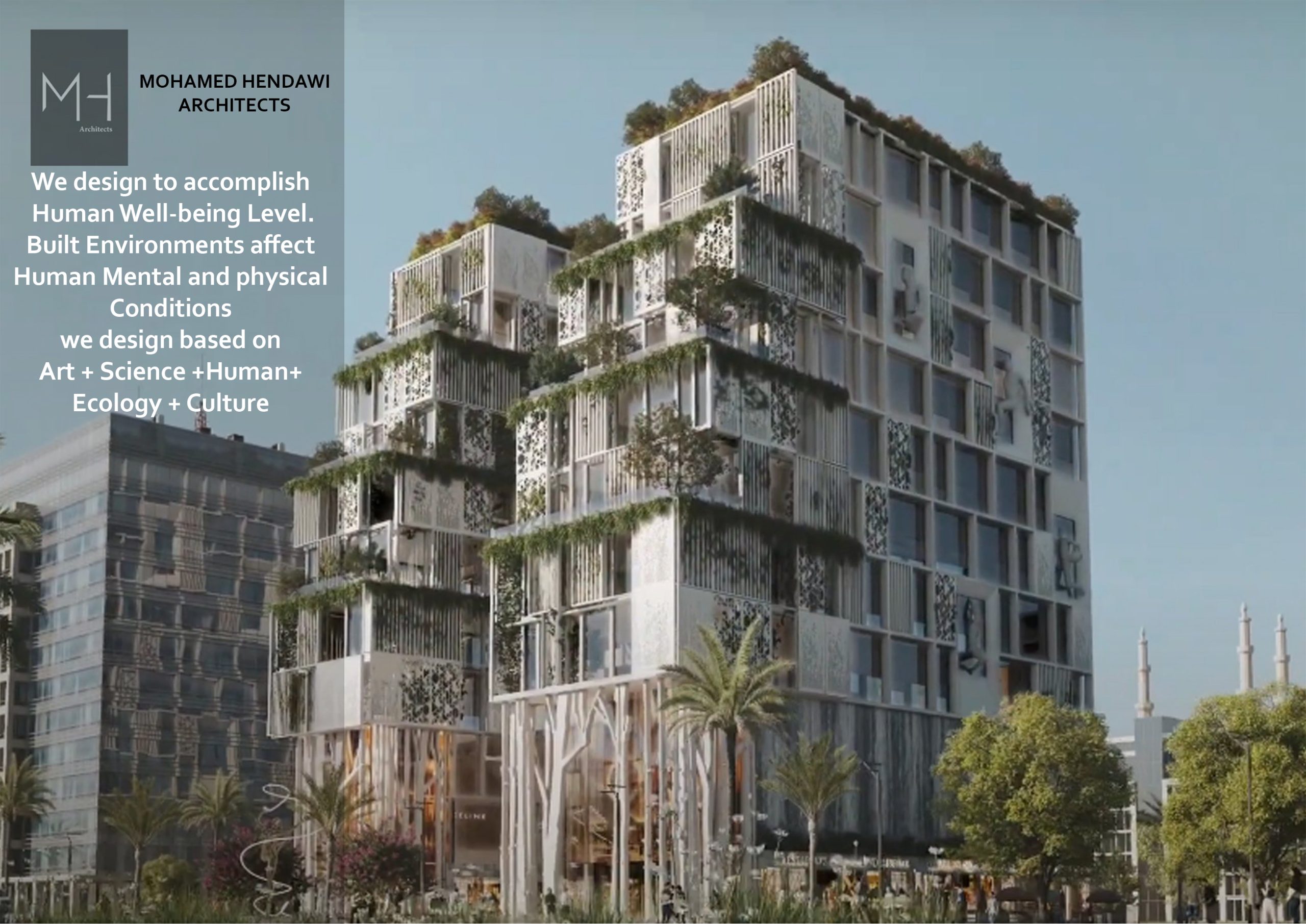
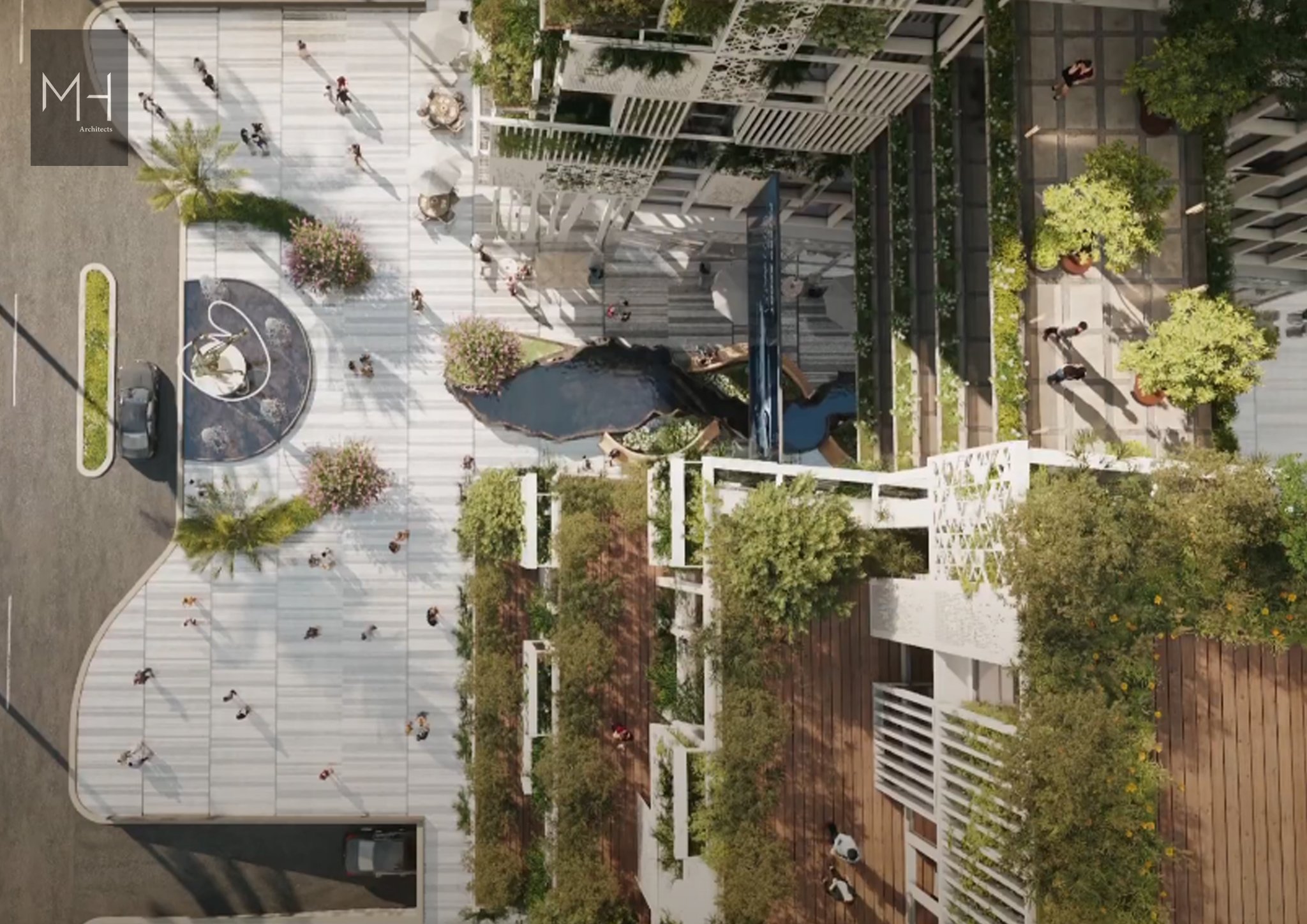
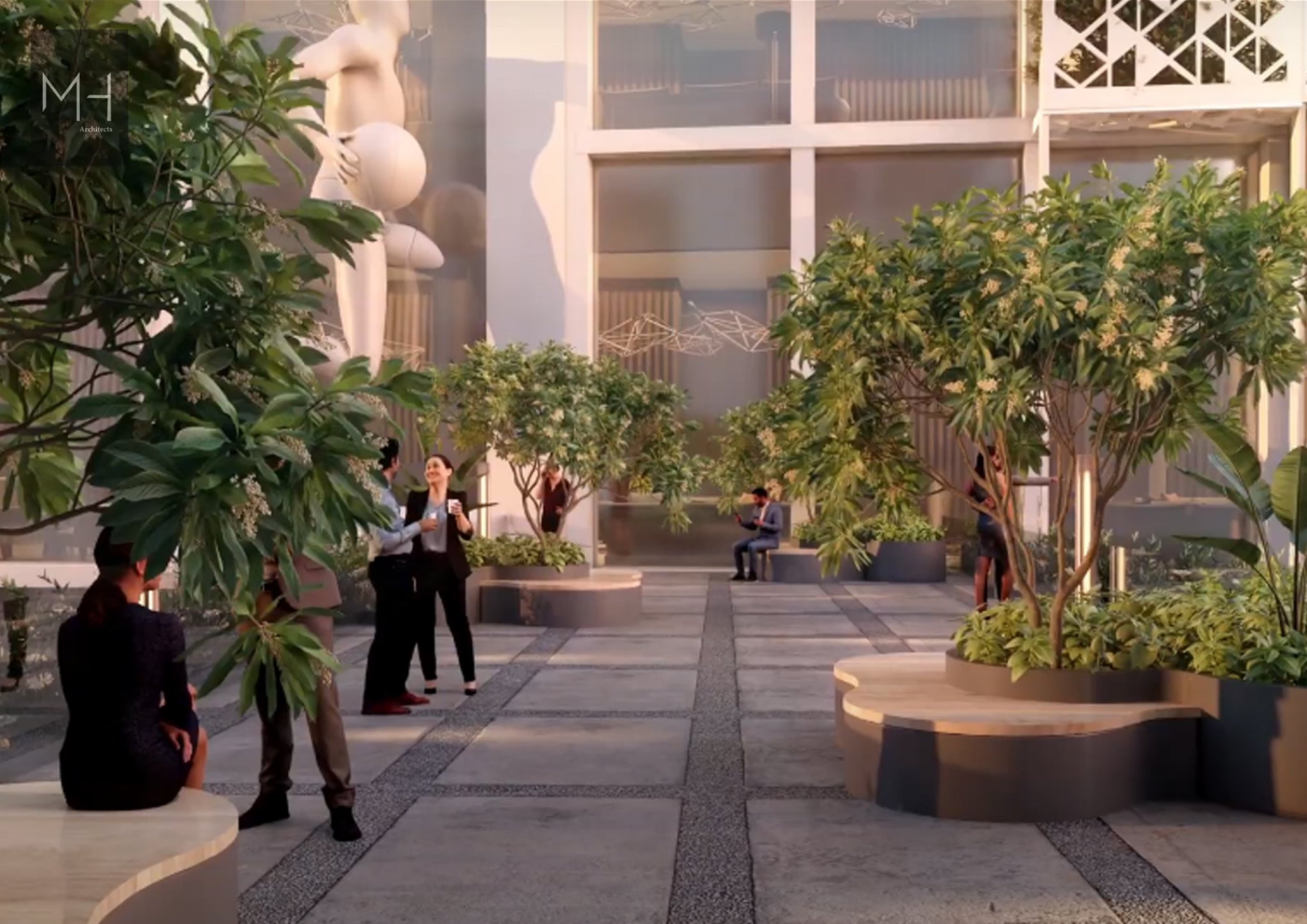
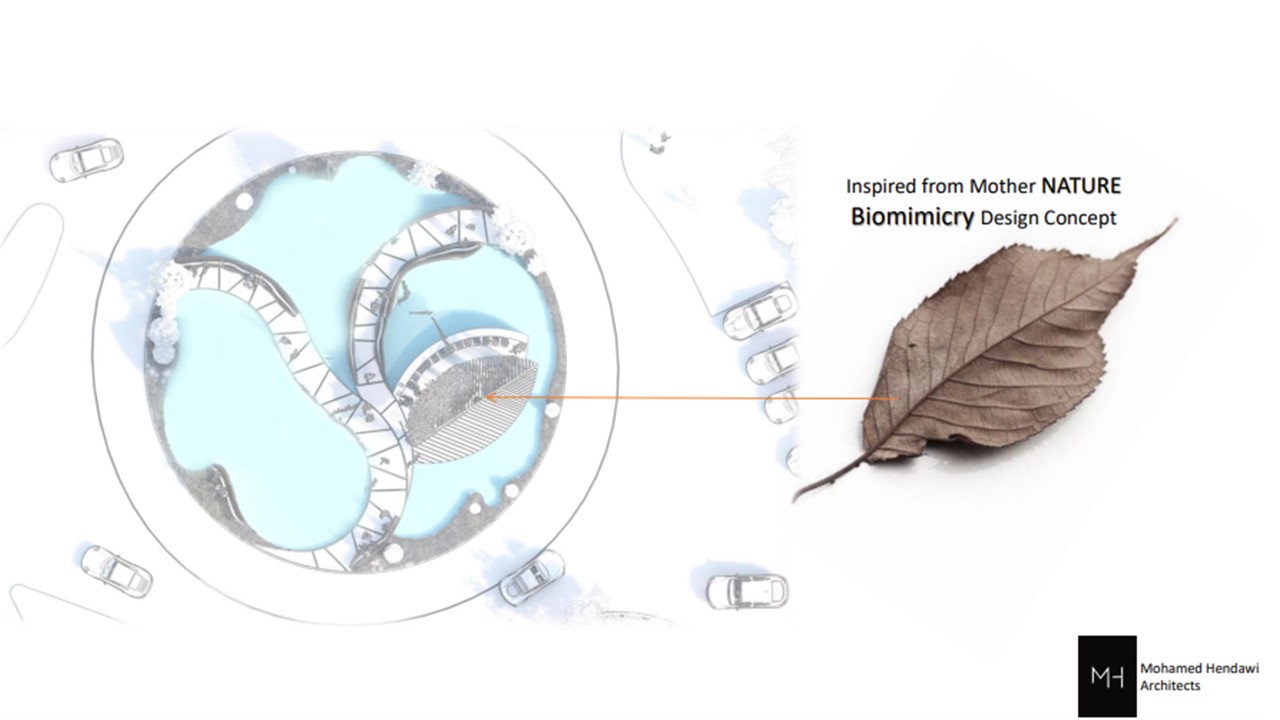
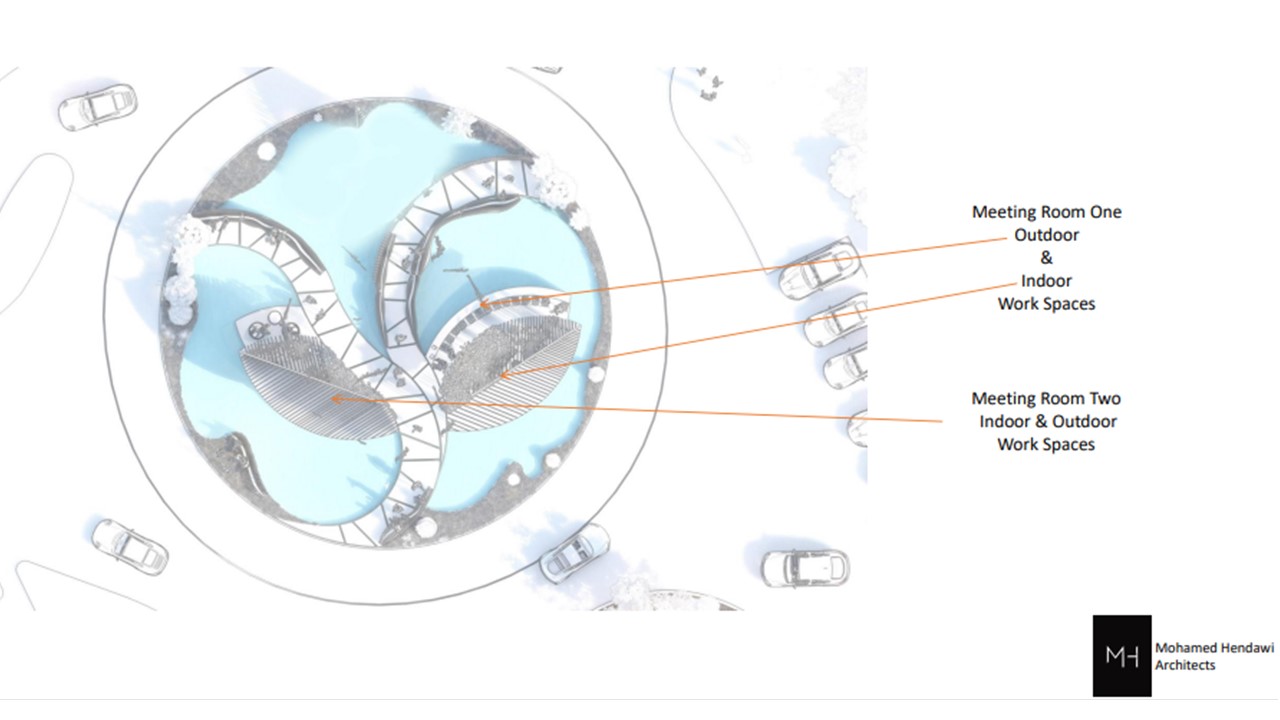
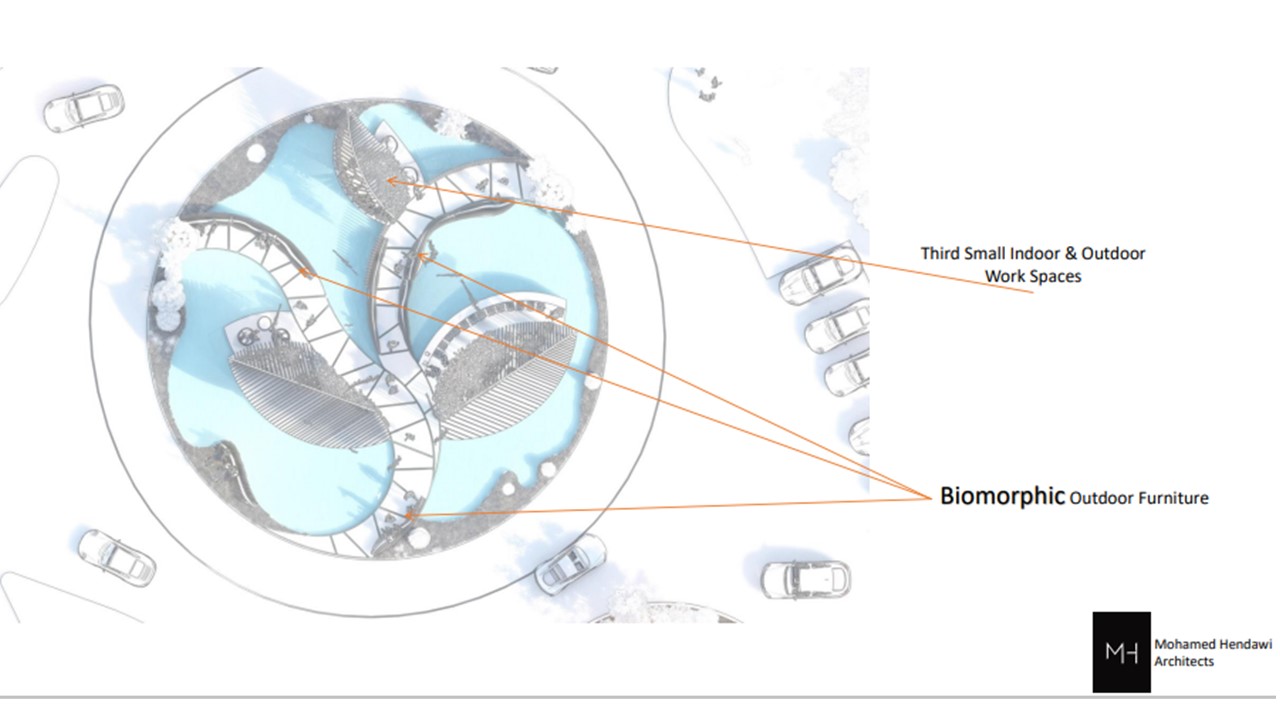
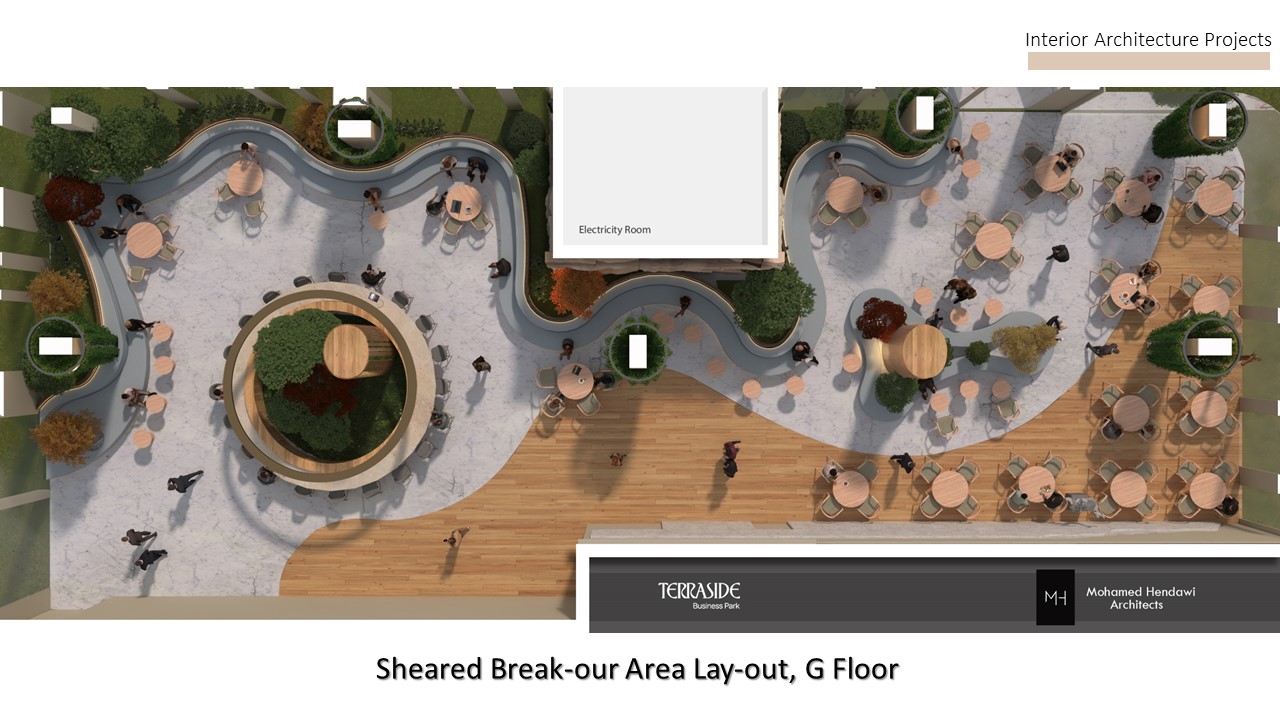
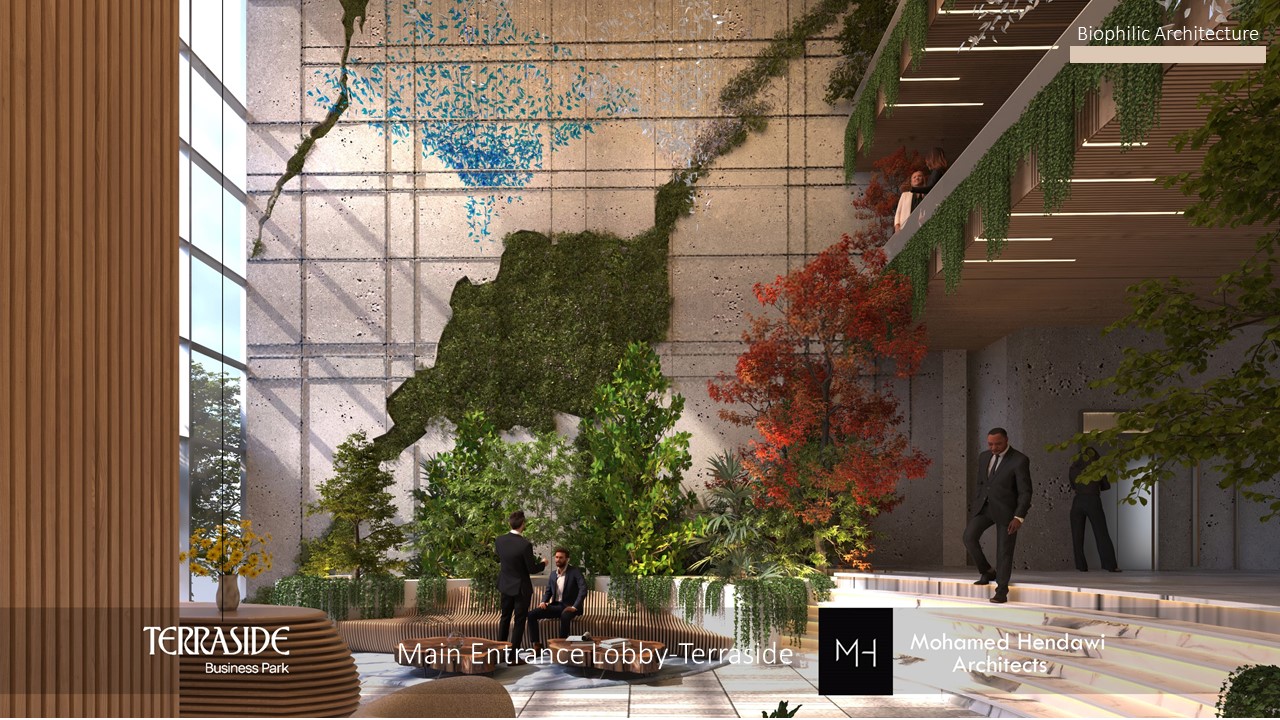
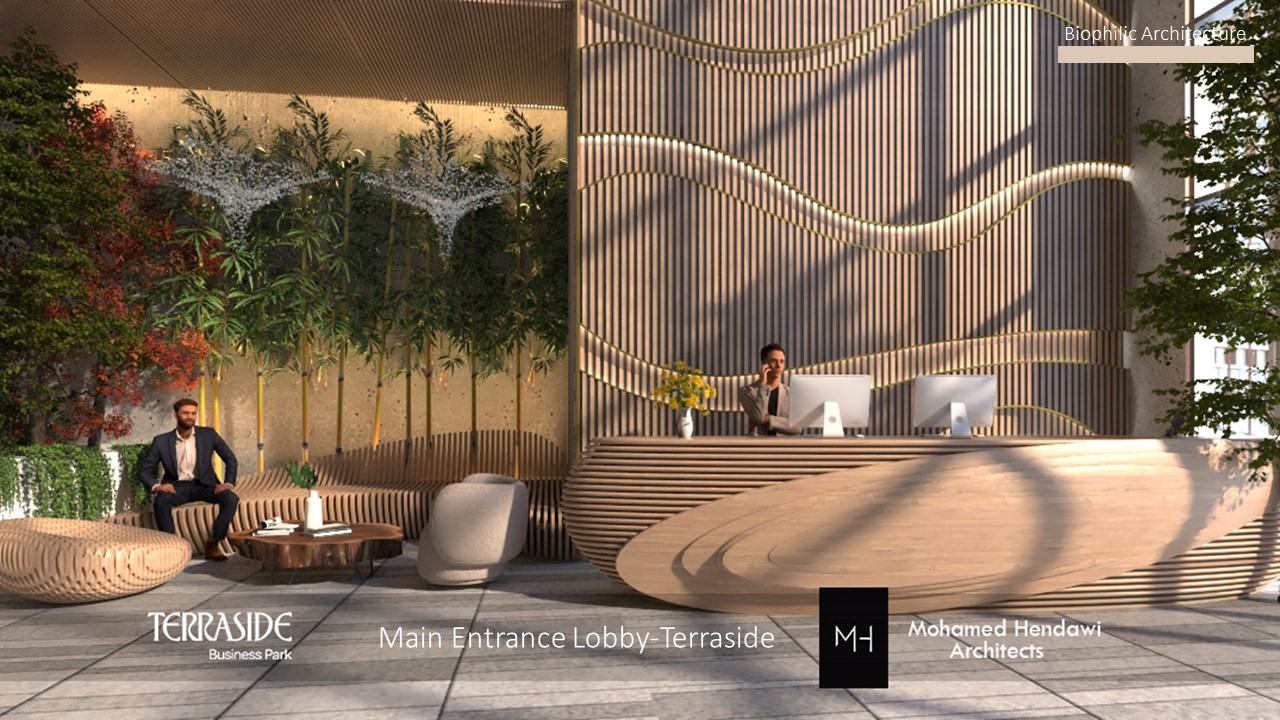
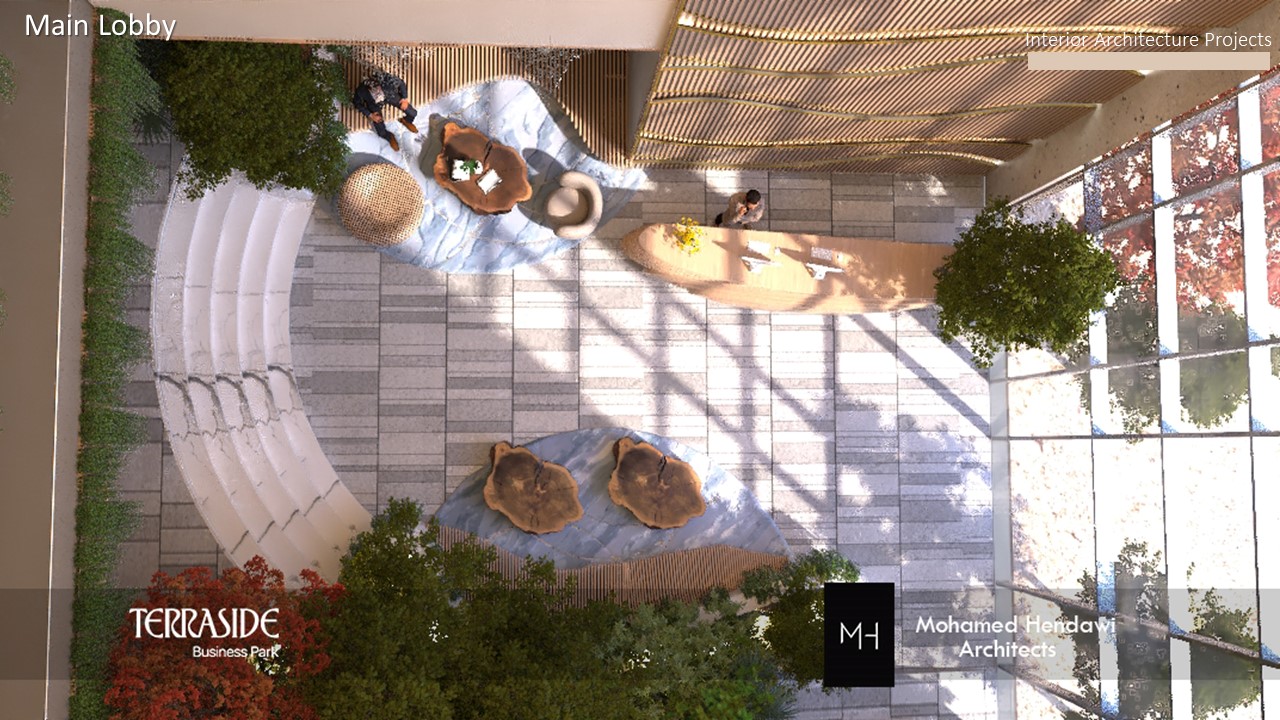
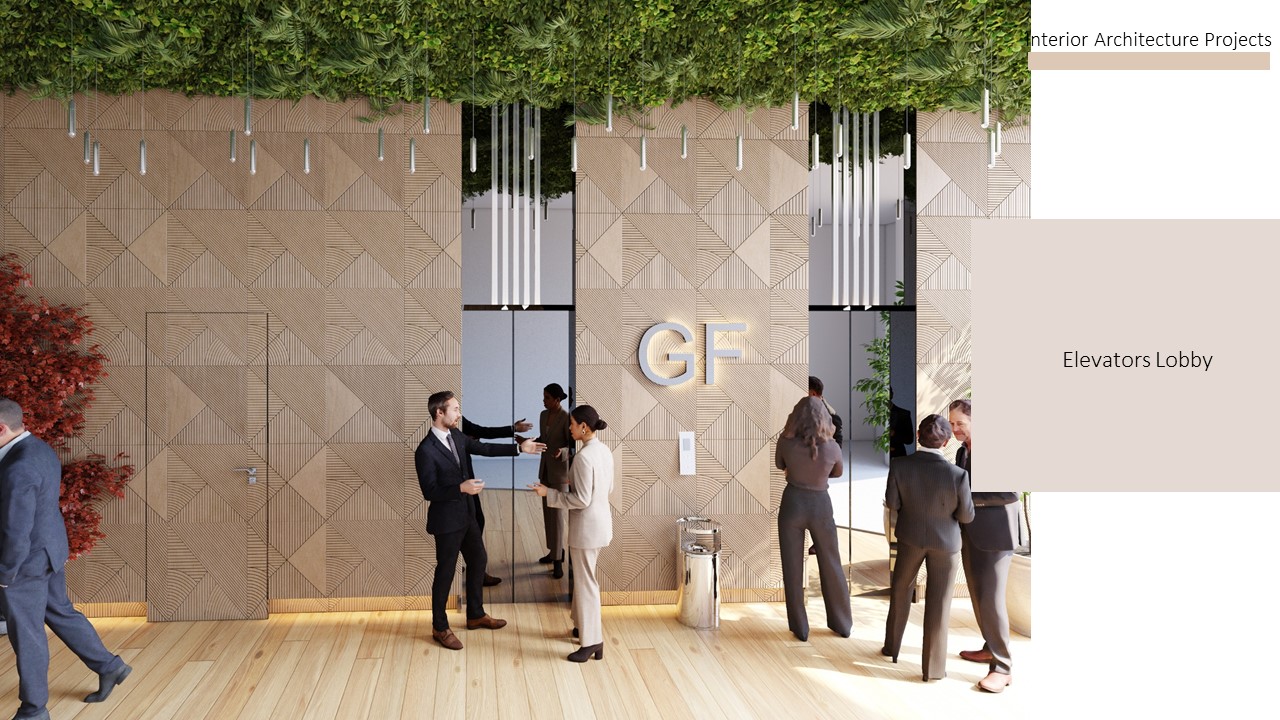
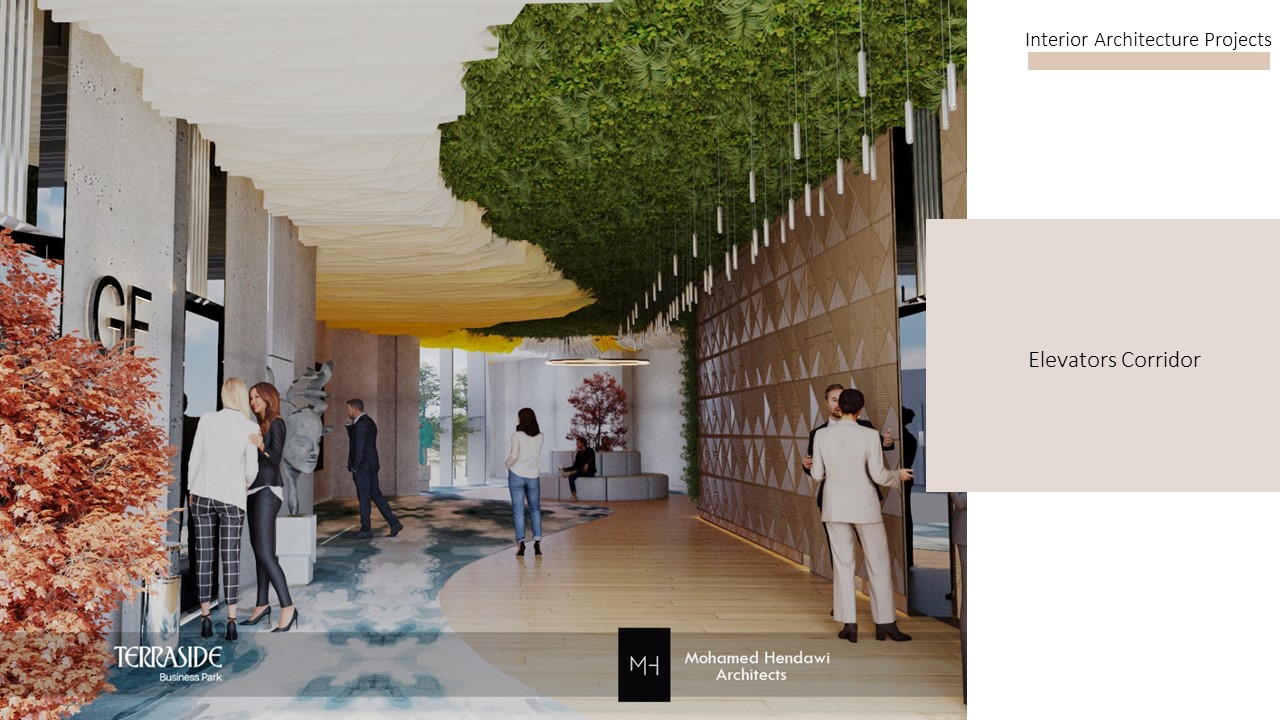
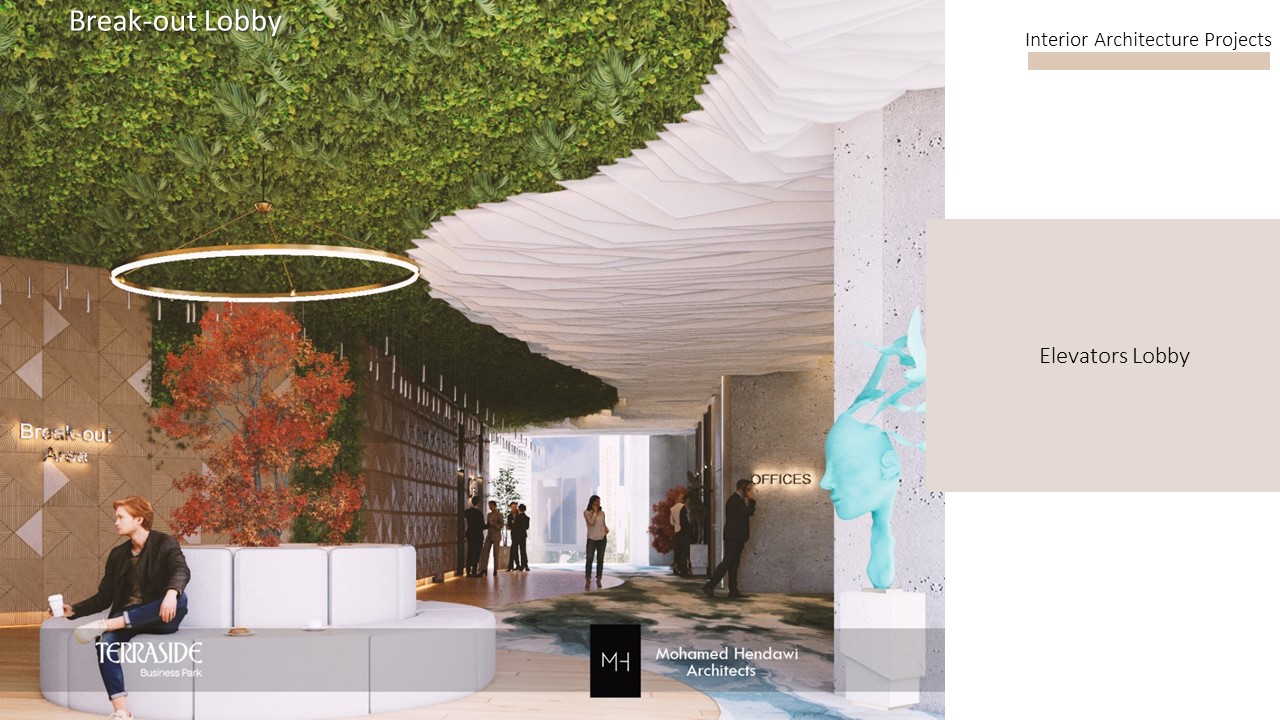
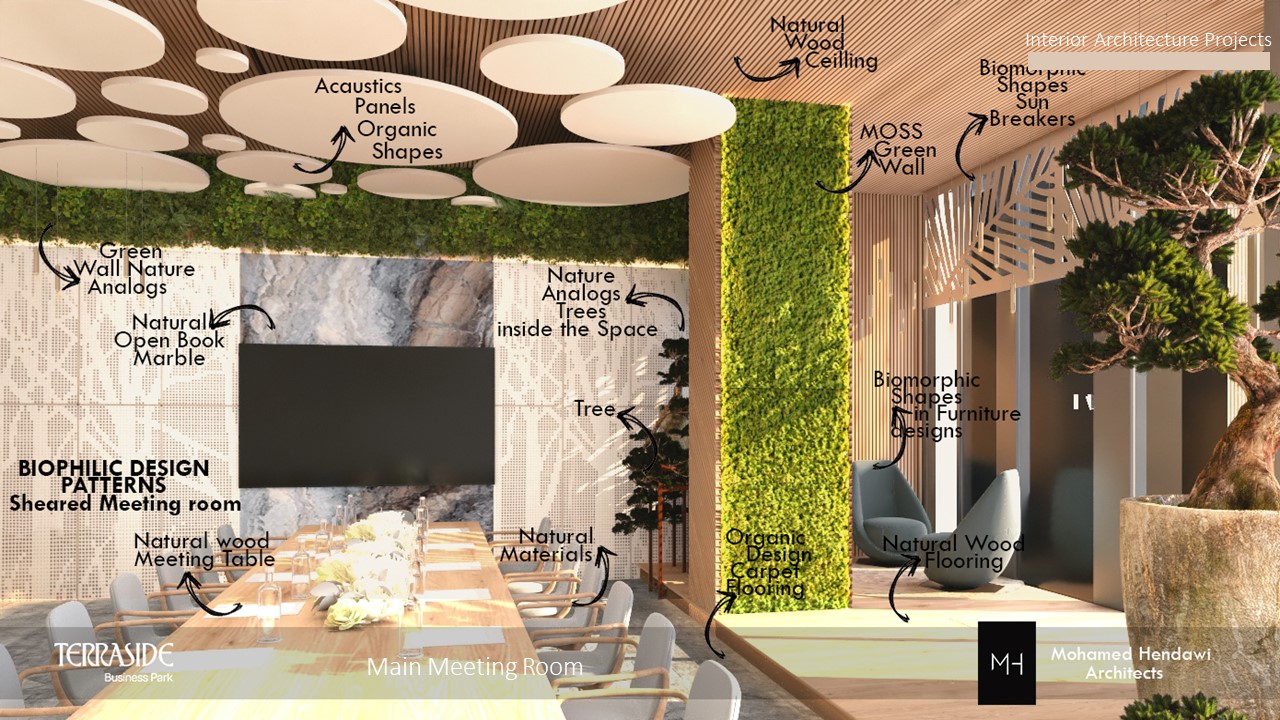
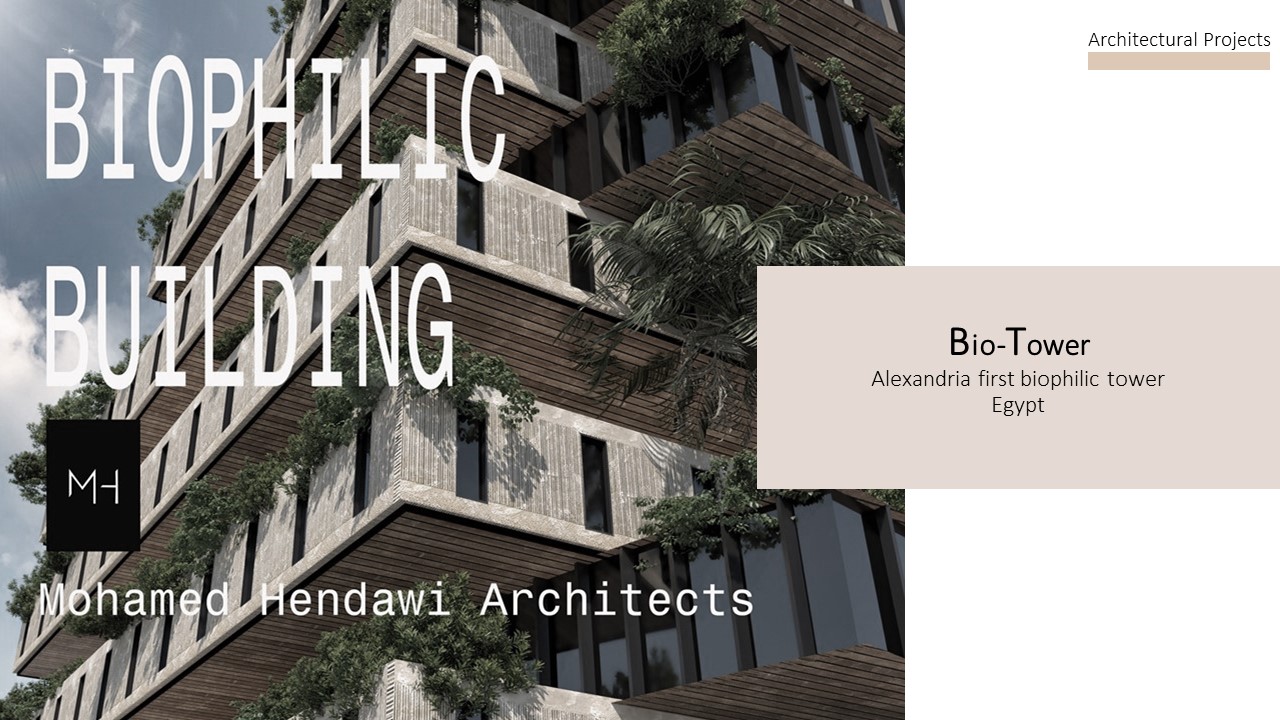
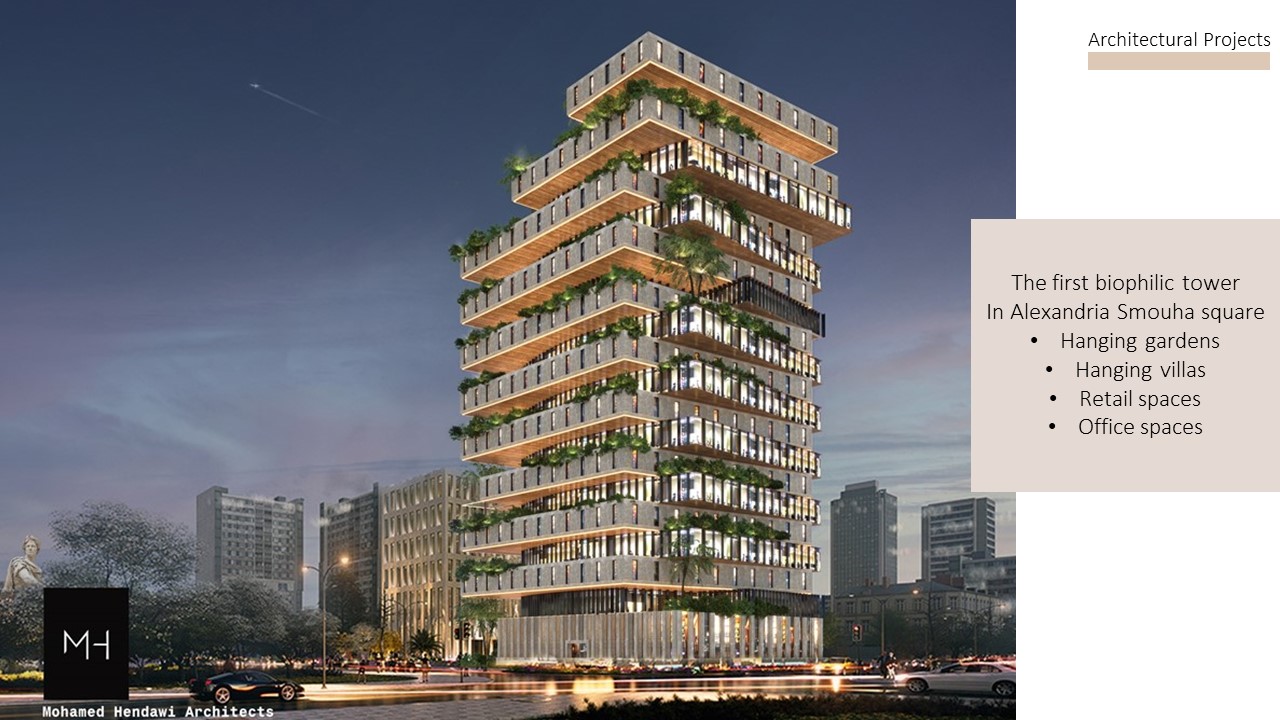
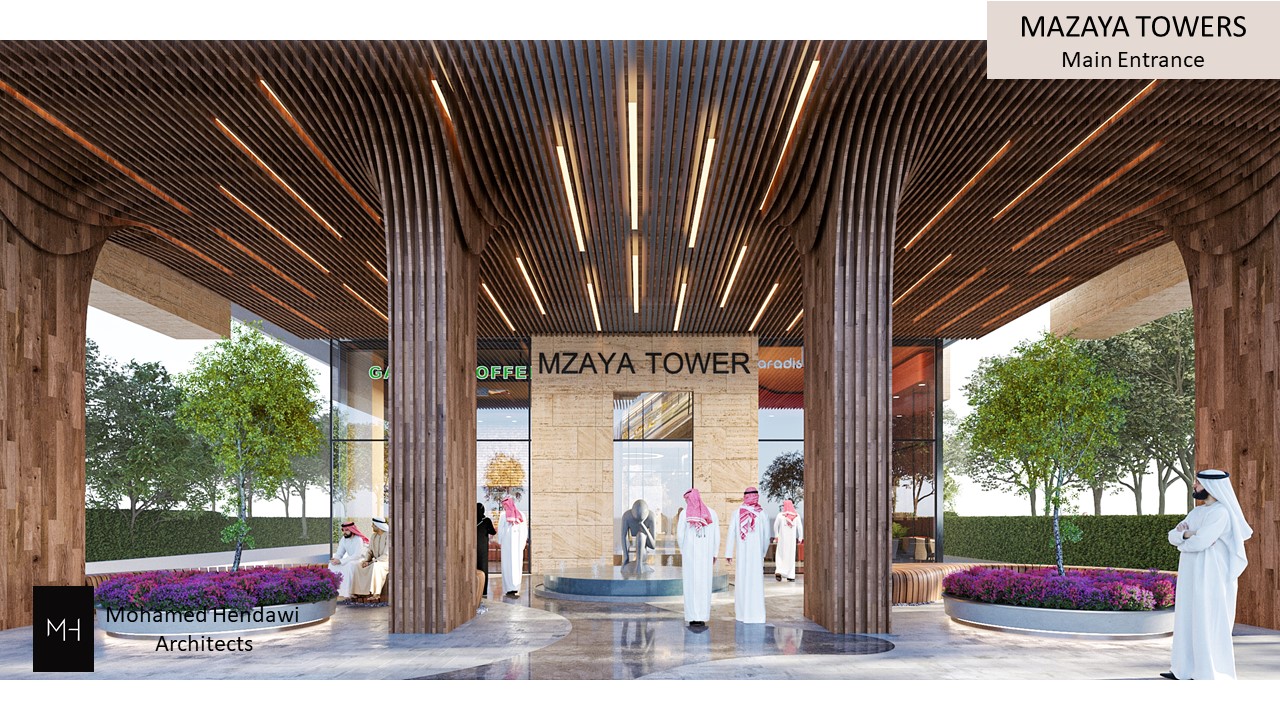
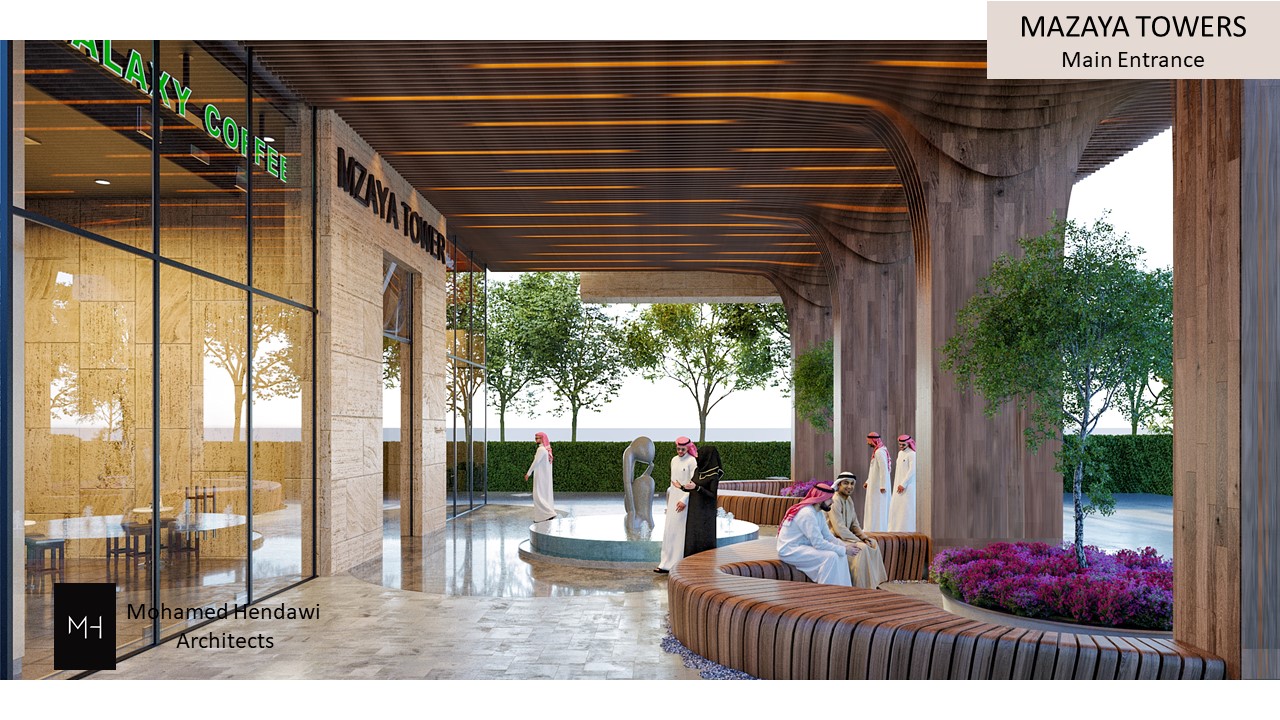
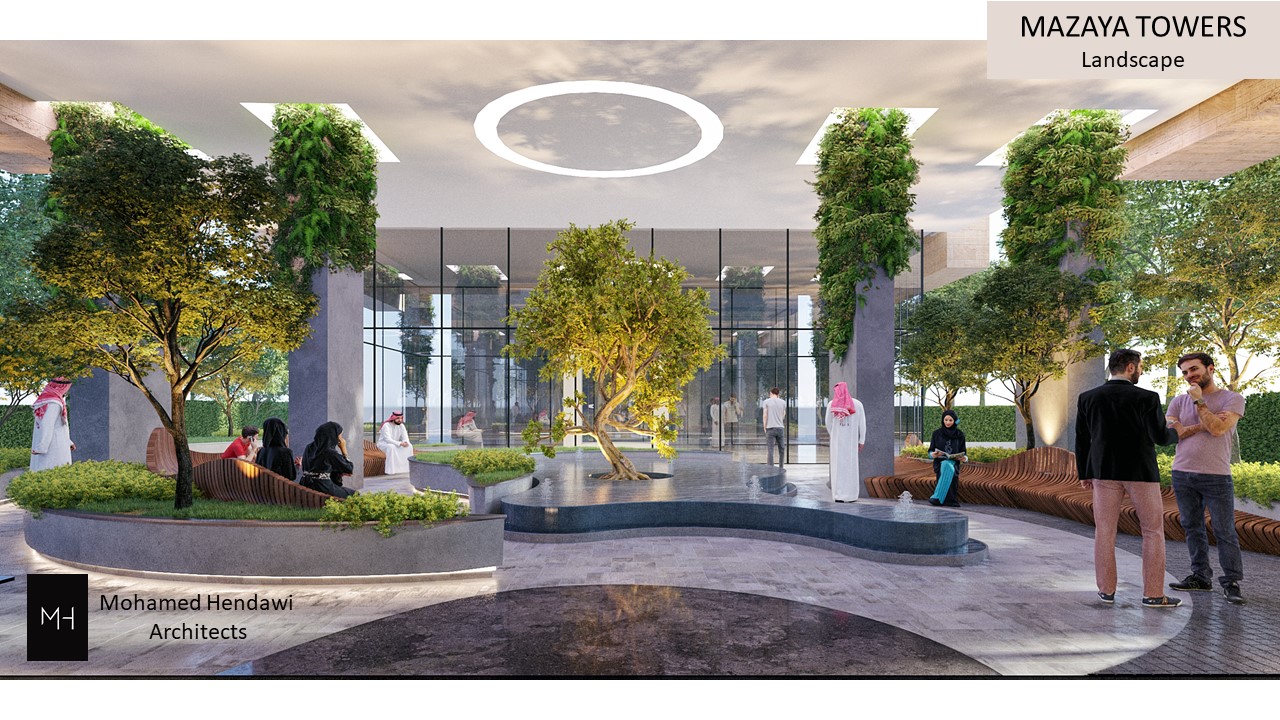
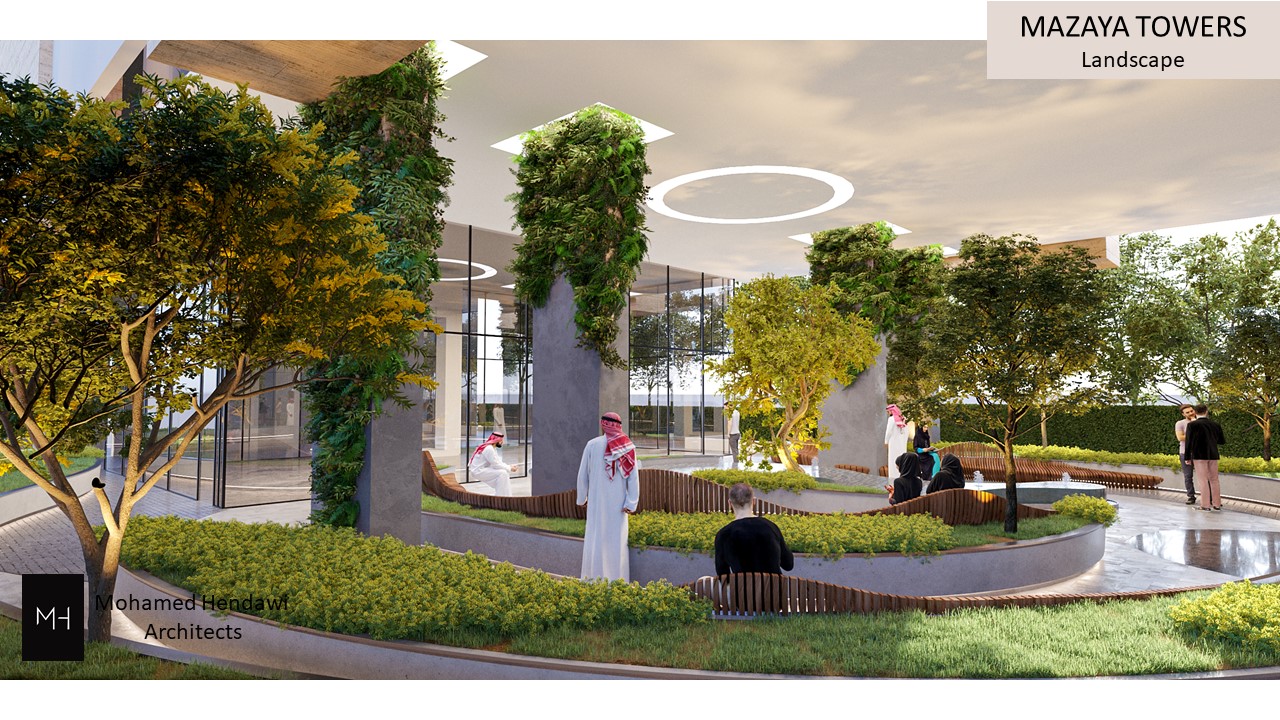
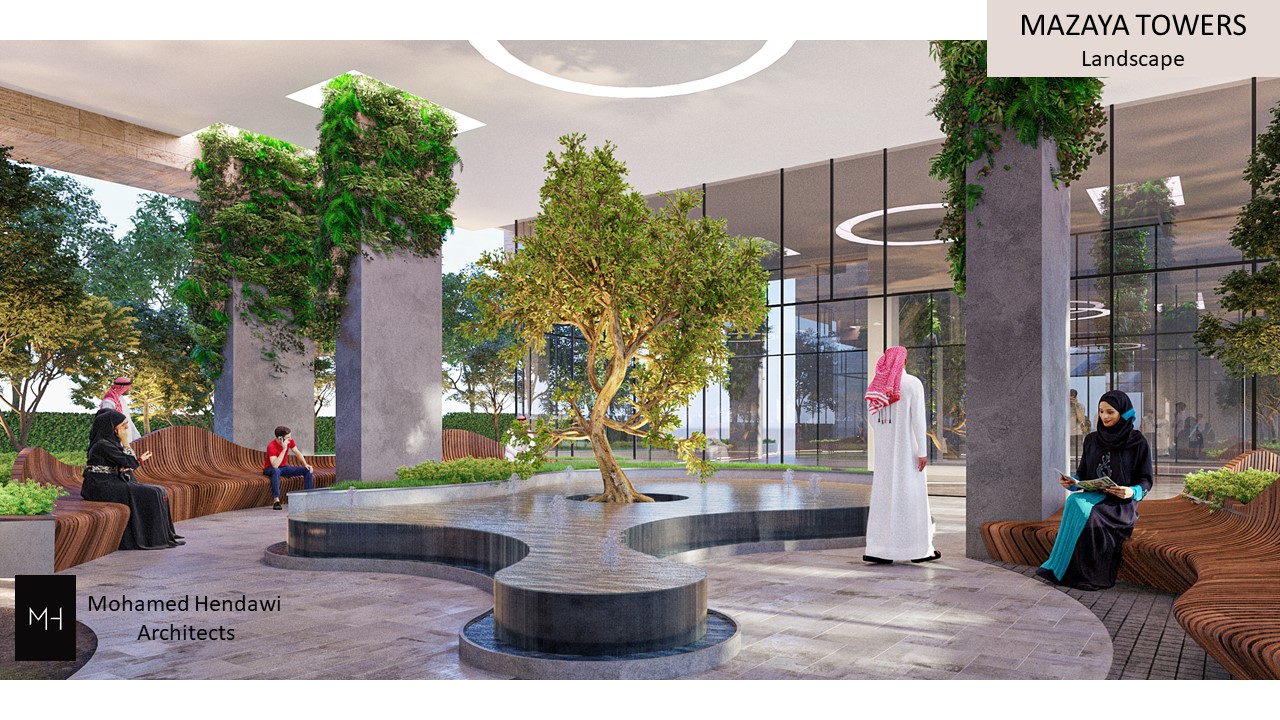
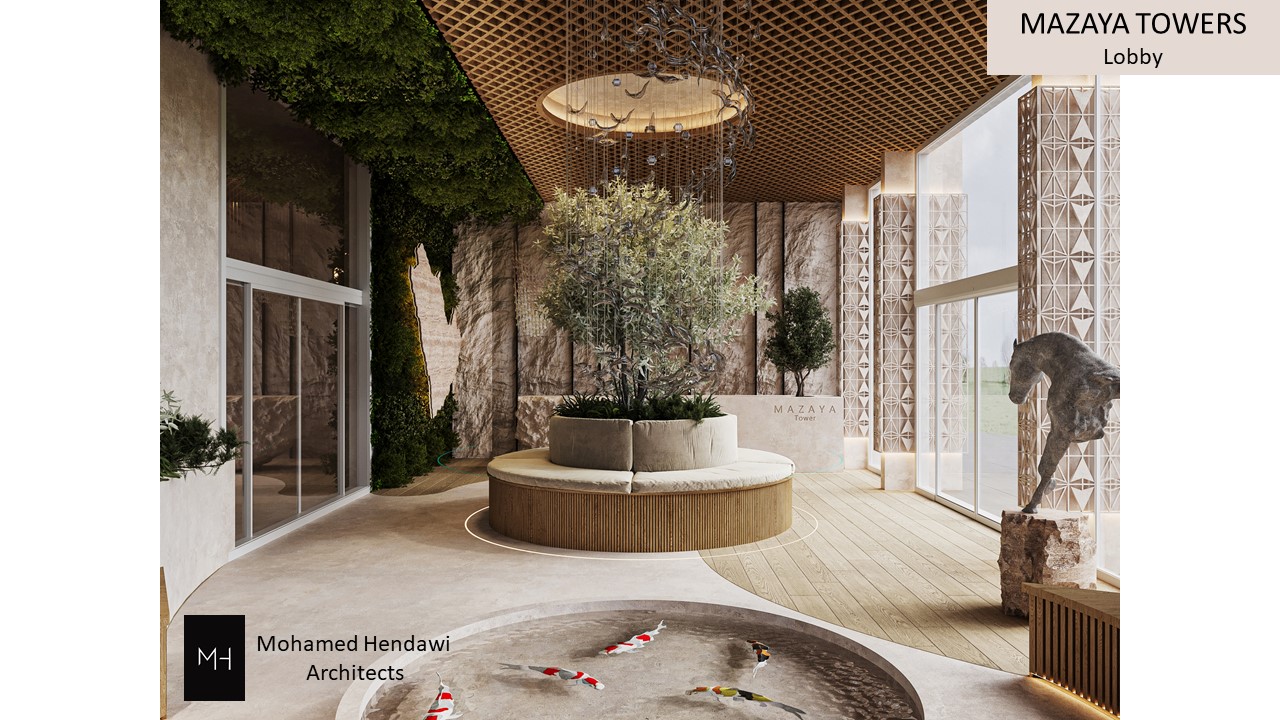
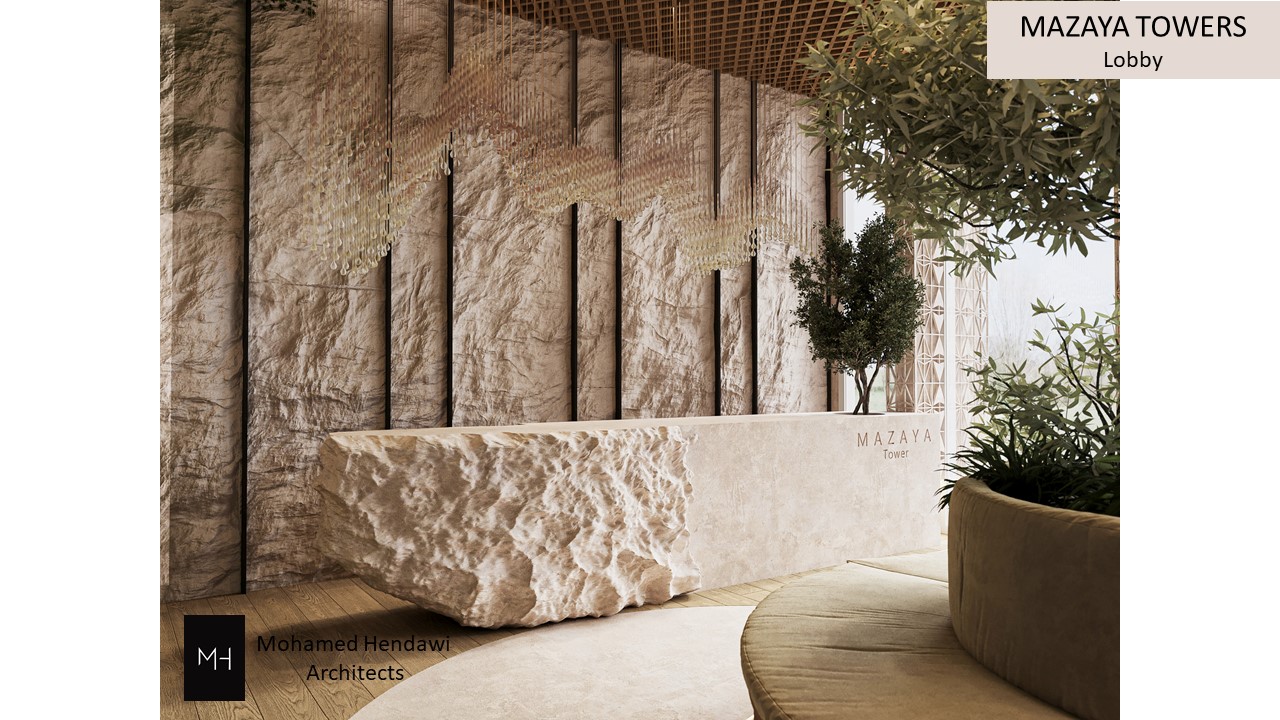
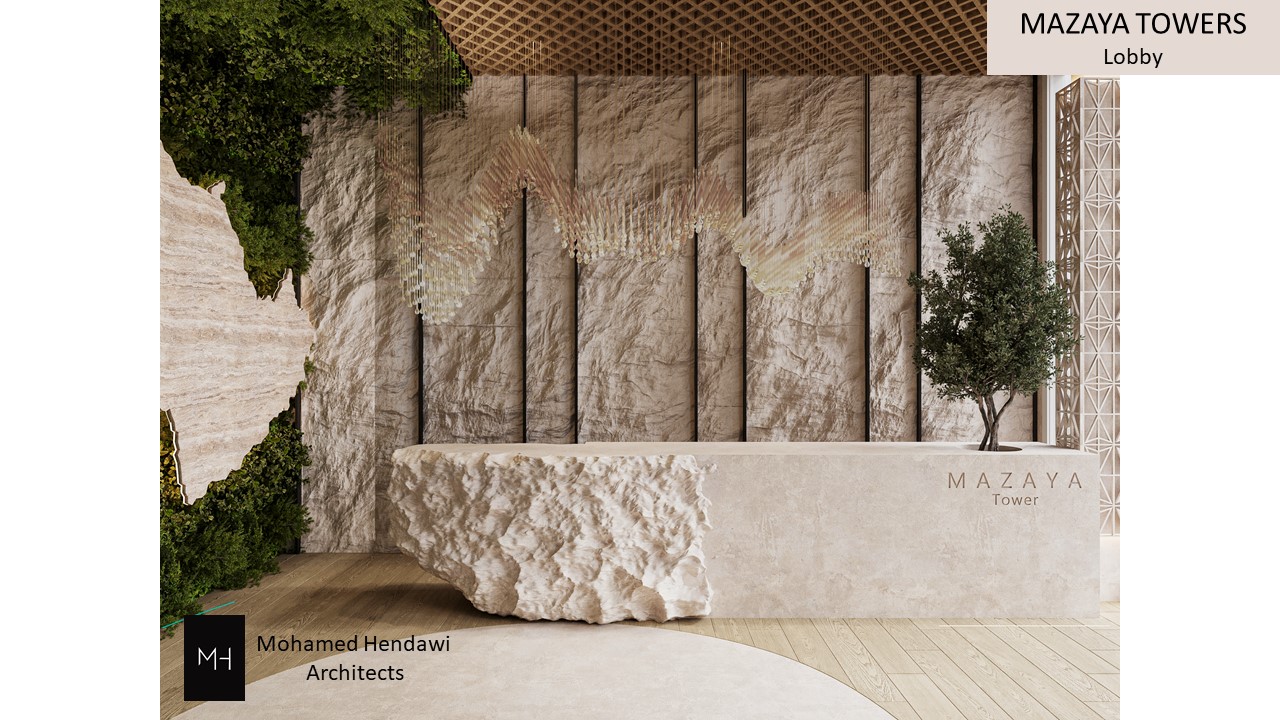
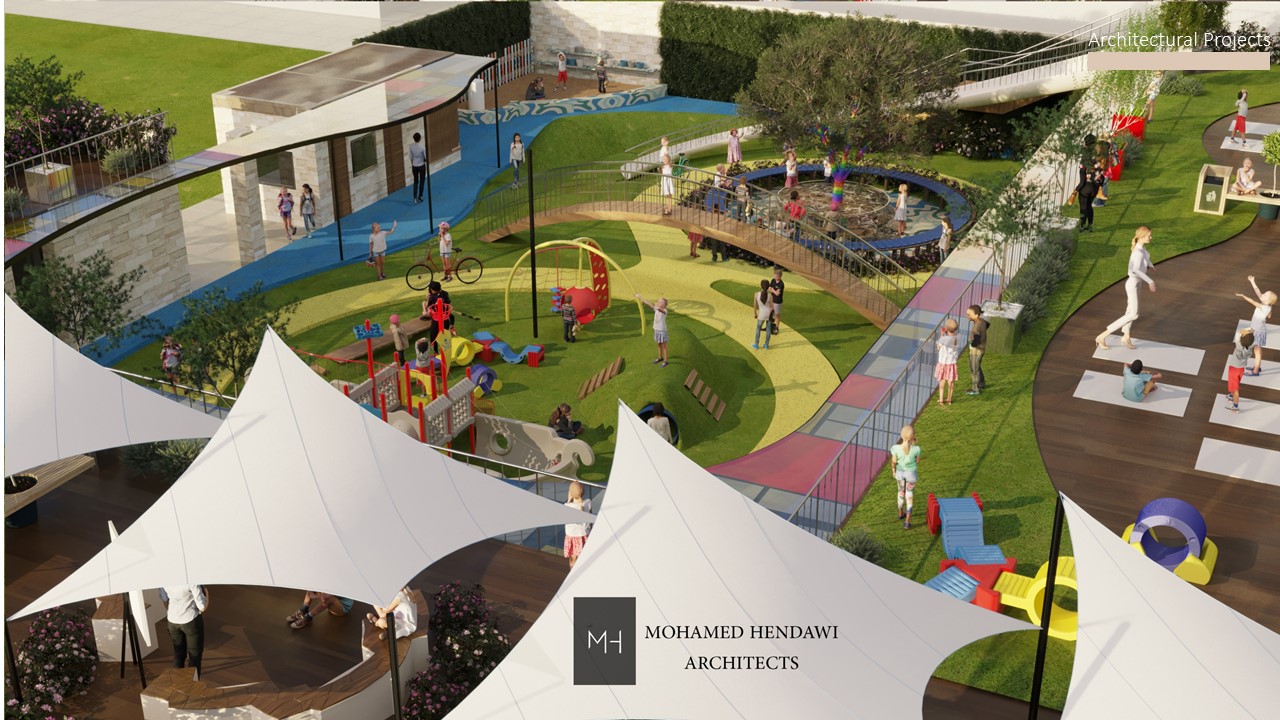
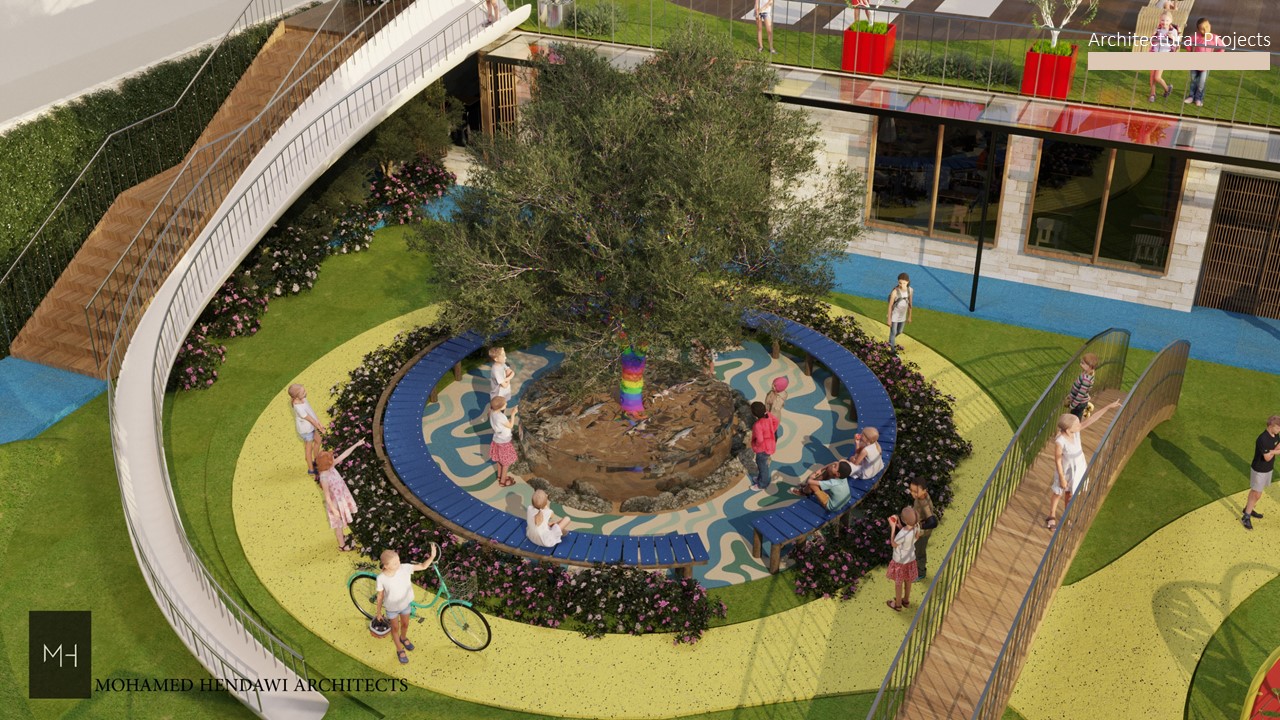
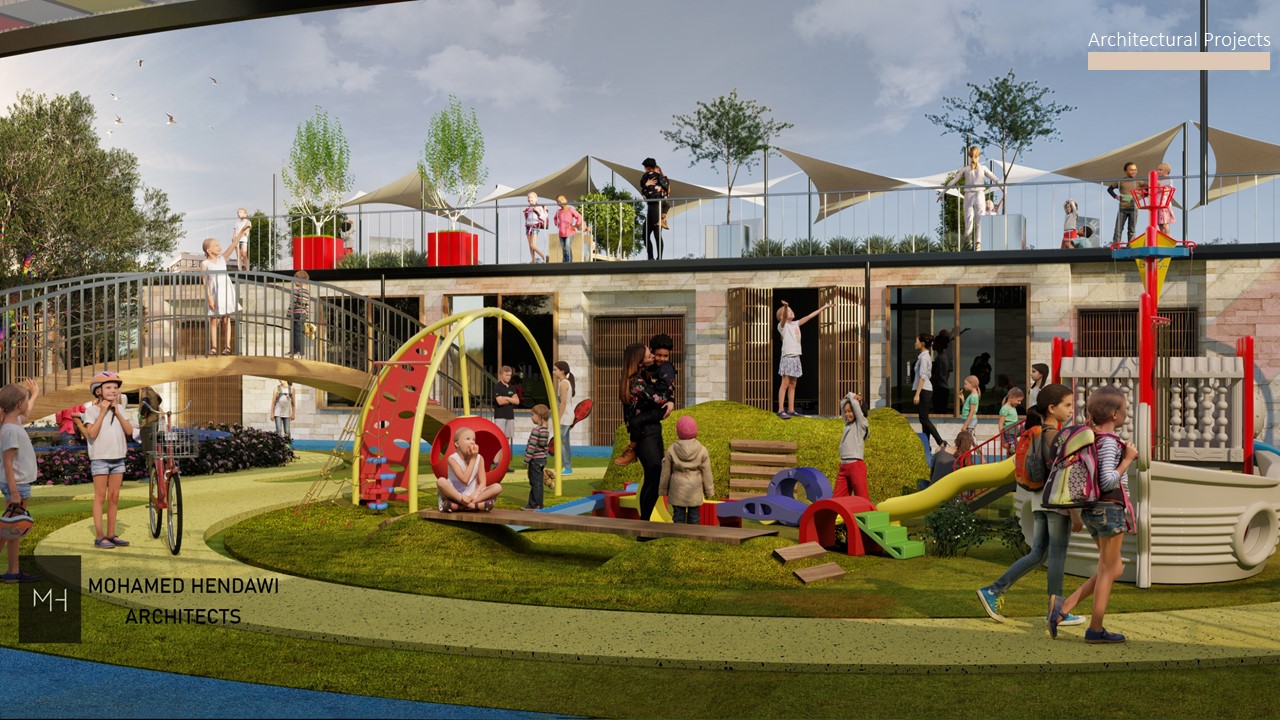
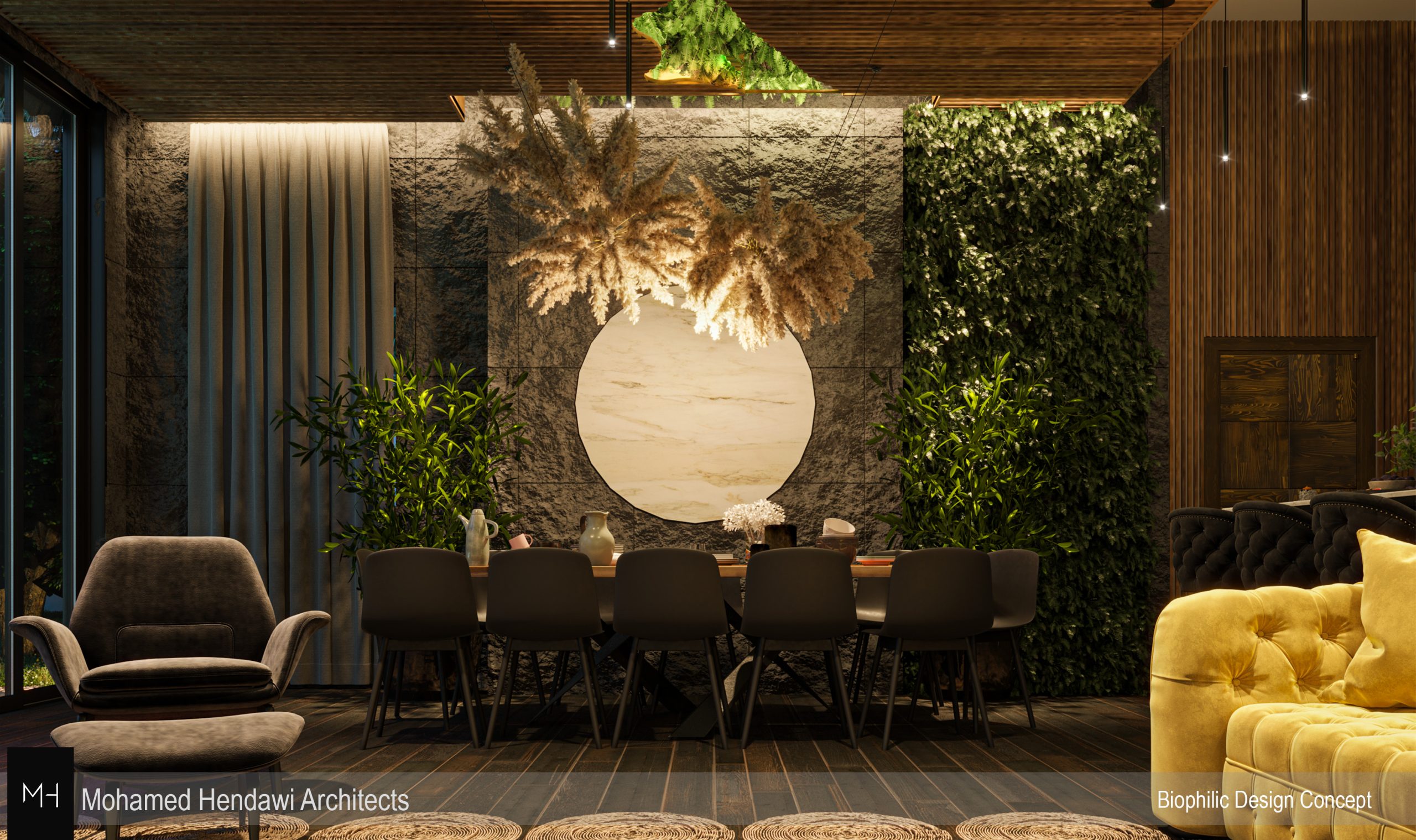
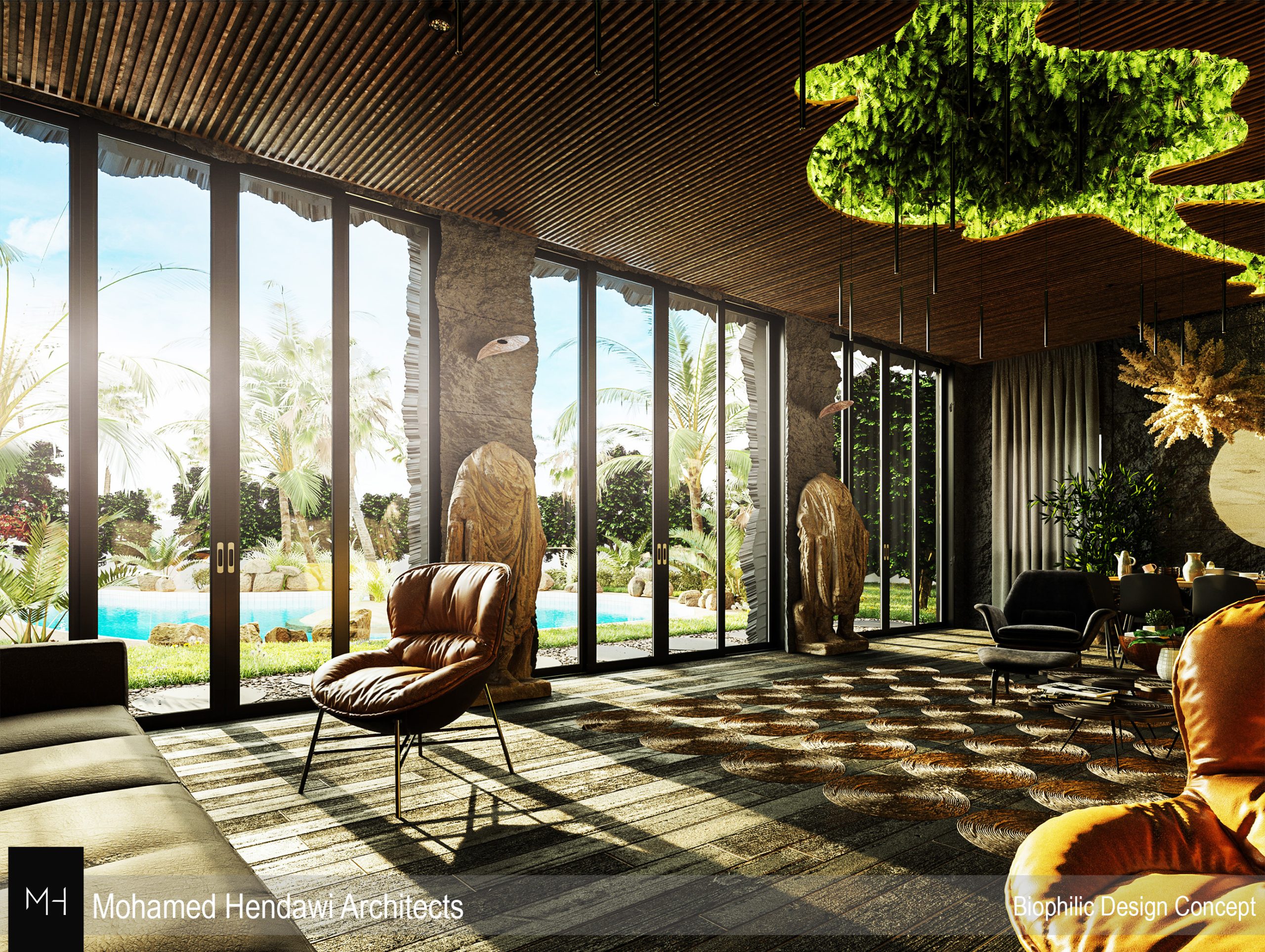
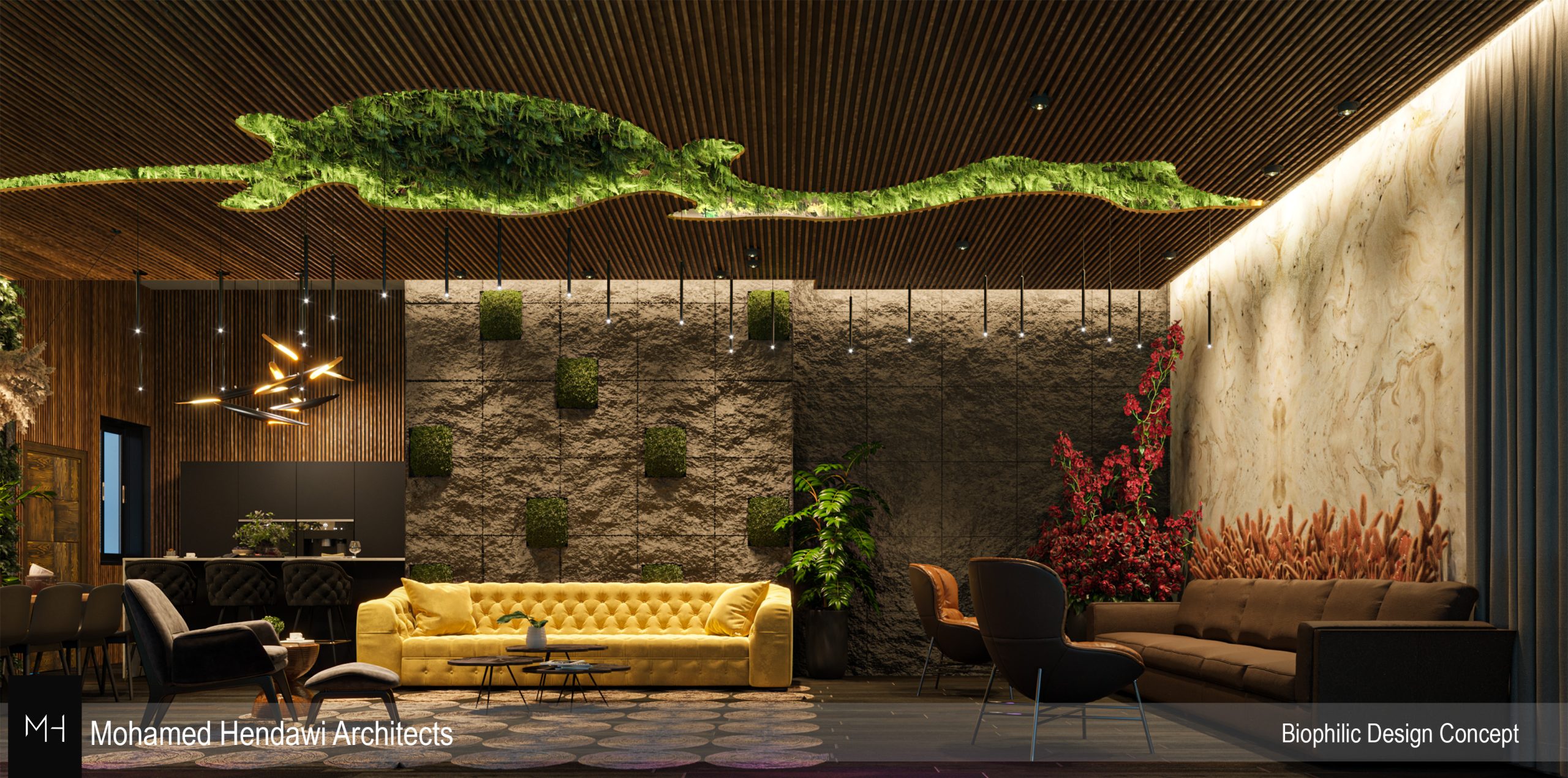
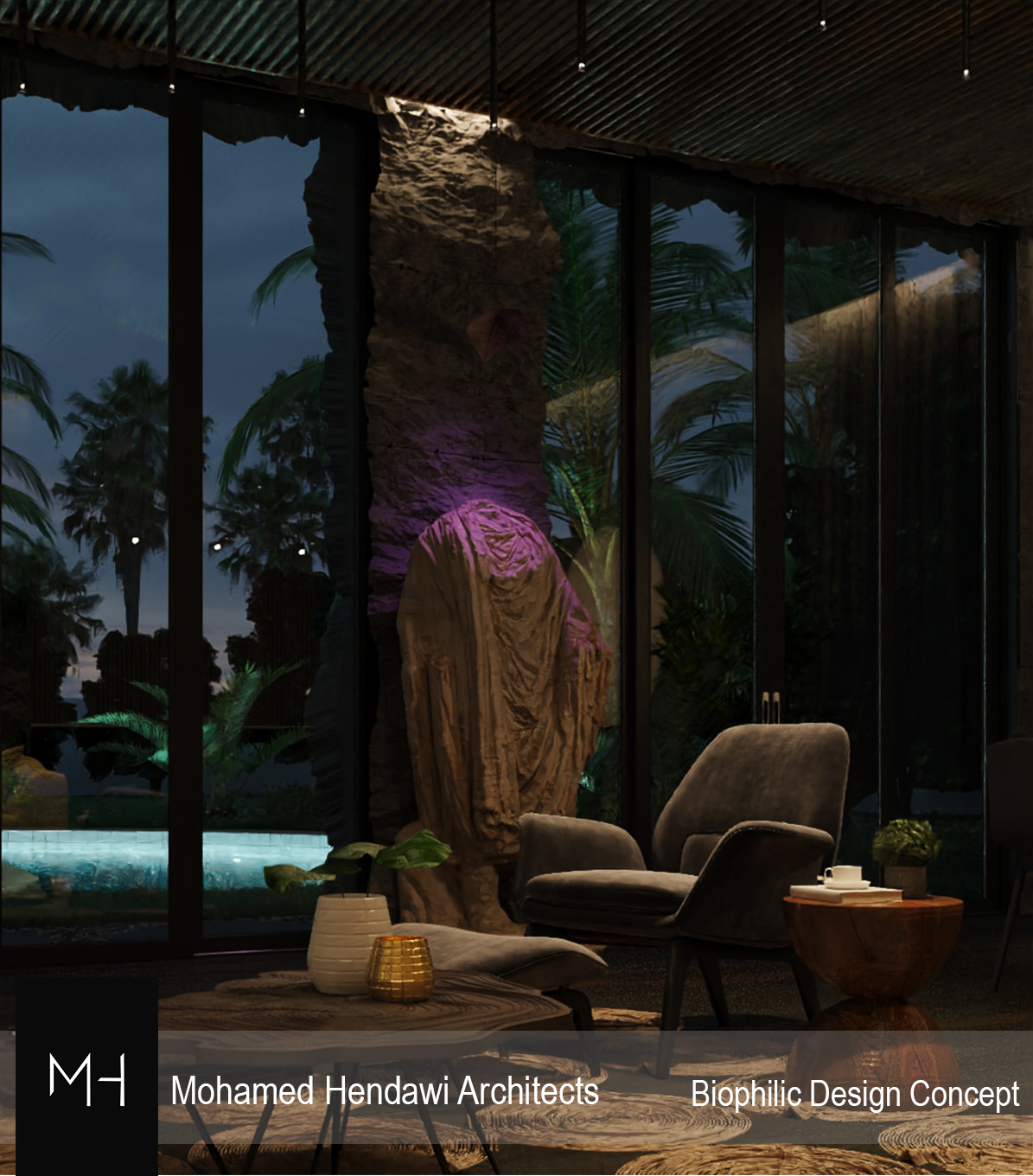
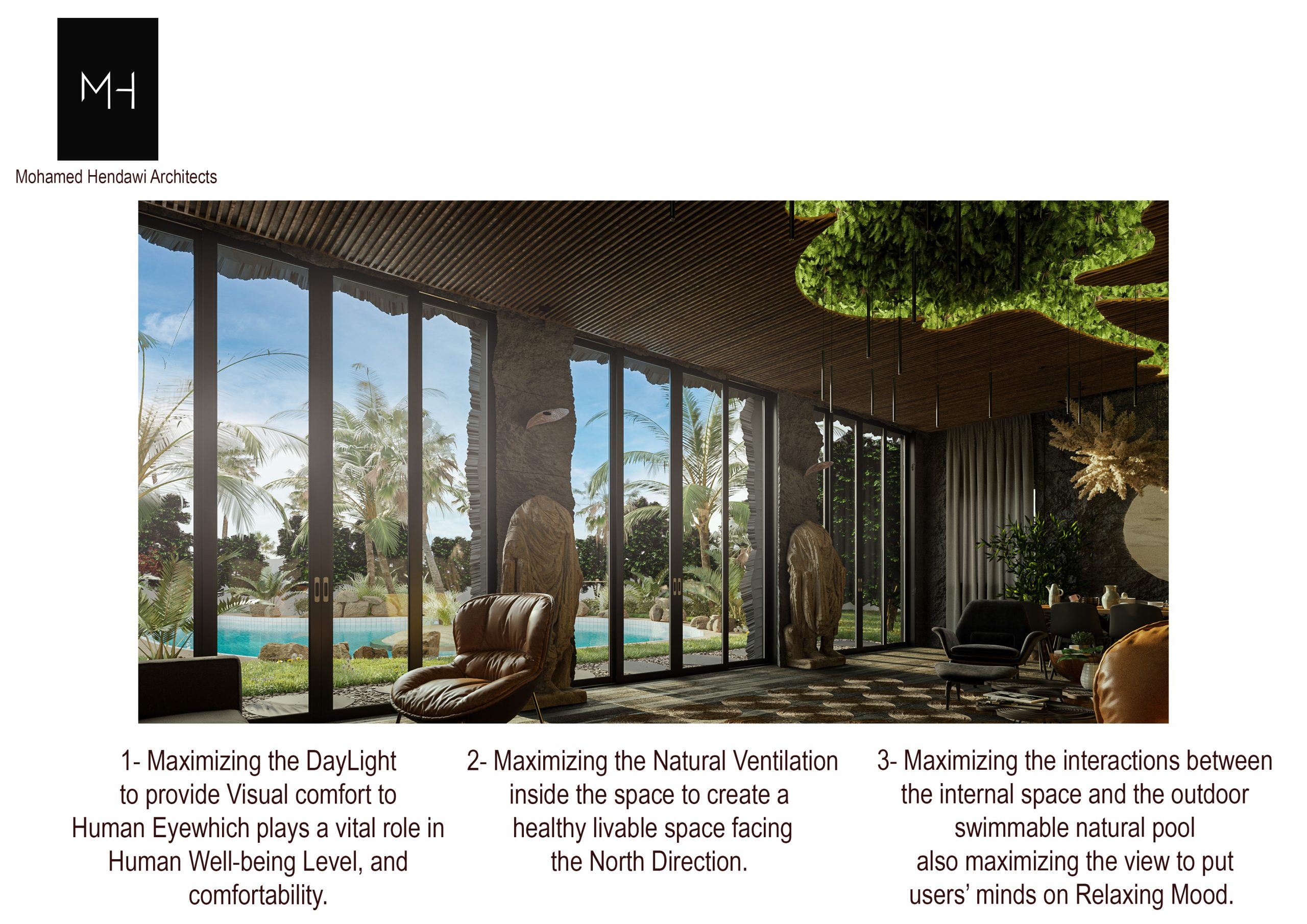
MH Architects projects that based on Biophilic design concept and integrating Nature with Built Environment